Table of Contents
The project decision
Home EV Charger decisions become more useful when they begin with a specific operating problem. Consider a residential garage with overnight parking. In this application, charger power must match both the available circuit and the vehicle. The purchasing or engineering team needs evidence that connects the proposed configuration to this requirement before treating a sample or quotation as acceptable.
This guide focuses on garage circuit planning and daily energy needs. Start by collecting service capacity, vehicle AC limit and overnight energy requirement. Use those records to compare options and define a repeatable acceptance test. The scenario and numerical examples are hypothetical decision aids, not TWJ customer results or performance guarantees. Product-specific limits and installation decisions must come from the exact model documentation and responsible qualified professionals.
Garage Circuit Planning and Daily Energy Needs
Collect the home's available supply and the vehicle's AC acceptance limit before selecting the charger. A larger product rating cannot overcome either constraint. Compare the required overnight energy with the usable parking window. The qualified installer should determine the circuit and protection arrangement, while the buyer verifies the exact charger variant and included cable.
For Home EV Charger, the acceptance question is whether the documented configuration resolves the stated problem under the project conditions. Give each of the evidence items a source, revision and owner. If two suppliers interpret an item differently, resolve that difference before comparing price. Keep assumptions visible so an unverified interface or limit does not silently become part of the approved design.
Distinguish AC supply from onboard conversion
A Home EV Charger specification needs a clear statement of where AC-to-DC conversion occurs. With AC charging, the vehicle's onboard charger limits what it can accept. Supplying a higher-rated AC connection does not force the car to take more power. With DC charging, conversion occurs in the charging equipment, but battery voltage, current limits and the vehicle's requested charge curve still matter.
For Home EV Charger comparisons, record the supply arrangement, connector configuration and individual port limit. A cabinet rating may describe combined output across several ports. Confirm whether ports have fixed independent limits or share a common budget. Match the quoted configuration to a drawing and operating description, especially when the same product family includes more than one connector or supply option.
Validate Home EV Charger performance with representative vehicles or suitable test equipment under agreed conditions. Record delivered energy, session duration and the limiting factor. Marketing labels such as fast or smart do not replace an electrical envelope. The most useful result explains why the measured power is available and which vehicle or site condition would reduce it.
Estimate energy and dwell time from vehicle needs
For a Home EV Charger project, begin with required energy per vehicle and the time available to deliver it. Battery capacity alone is insufficient because vehicles arrive at different states of charge and may not need a full recharge. Use actual travel or fleet records where available. Distinguish the usable parking window from total time on the premises.
An initial Home EV Charger estimate divides required battery energy by average accepted charging power. Add the appropriate allowance for losses, startup and charge taper rather than using peak nameplate output throughout the session. The estimate should remain visibly conditional. Temperature, vehicle battery management and shared site power can change the average power substantially.
Compare Home EV Charger options against completion deadlines, not just headline speed. A lower-power solution may meet an overnight requirement, while short visits may need another arrangement. Validate the chosen assumptions in a pilot and retain session data. For a mixed fleet, evaluate more than one vehicle type so an unusually favorable test does not become the basis of the entire project.
Review site capacity and coincident demand
A Home EV Charger installation uses an electrical supply shared with other loads. Collect incoming capacity, existing demand and planned expansion before committing to equipment quantity. The sum of charger nameplate ratings is not automatically the permitted site demand. Local electrical design, protection and supply approval need review by the responsible qualified professionals.
For Home EV Charger planning, distinguish a fixed current cap from dynamic allocation based on measured building demand. A dynamic arrangement needs a correctly placed meter, compatible communications and an agreed fallback if measurements stop. Document the response time and reserve margin. Do not rely on a networked feature unless the quoted model and control system explicitly support the required behavior.
During Home EV Charger commissioning, test multiple simultaneous sessions and a change in other building load where the test method permits. Verify the total demand against the configured limit and observe lost-meter behavior. Save the final settings and meter location in the as-built record. A controlled pilot provides better expansion evidence than simply multiplying the result from one idle-site charging session.
Define installation scope and commissioning ownership
A complete Home EV Charger purchase needs an installation responsibility matrix. Identify who supplies civil works, switchgear, cabling, communications, mounting accessories and commissioning. Quote exclusions should be visible before comparing prices. An equipment delivery is only one part of an operational charging site.
For Home EV Charger site design, coordinate charger location with isolating devices, cable routes and maintenance access. Electrical protection, earthing and any required detection functions depend on the specific equipment and local installation rules. The responsible designer and installer should verify these requirements. A general article or enclosure label cannot establish that a finished site meets its obligations.
Accept Home EV Charger installation through a documented handover. Record serial numbers, configuration, test results, drawings and operator access. Complete a representative charge session, fault indication check and restoration procedure. Agree on who resolves an issue spanning hardware, backend and installation. Clear ownership prevents each supplier from treating an integration fault as someone else's problem.
Use a pilot and measurable acceptance criteria
Before committing to a large Home EV Charger deployment, define a representative pilot. Include the intended vehicle mix, access method, network conditions and operating environment. Establish criteria for successful session starts, data reconciliation, protective behavior and operator tasks. Avoid judging the entire platform from a single favorable demonstration.
For Home EV Charger production acceptance, distinguish incoming inspection, factory functional tests and site commissioning. Each stage covers different risks. Ask for serial-linked records and the configuration used during testing. A cosmetic inspection does not establish charging performance, while a bench load test does not establish a finished site's access and billing workflow.
Close Home EV Charger pilot issues with an owner, corrective action and repeated affected test. Keep unresolved limitations visible in the release decision. Retain a reference configuration and approved sample identity. This creates a usable basis for repeat orders and helps determine whether a later fault is a new issue or a recurrence of an unresolved one.
Request exact-model compliance and rating evidence
For Home EV Charger purchasing, identify the destination market and exact product configuration before collecting reports. Model numbers, supply variants, connector options and software can affect the relevant evaluation. A logo on a brochure or a report for a related model is insufficient to establish the proposed configuration's scope.
The Home EV Charger evidence pack should distinguish safety, electromagnetic compatibility, environmental tests and any required commercial metering evaluation. Ask the supplier to map documents to the quoted model and explain exclusions. Requirements and accepted editions can change, so the responsible compliance professional should verify the applicable scope for the actual project.
Keep Home EV Charger evidence linked to change control. A new enclosure, power module, cable or protective component may require review or additional testing. Record who approves the change and which documents are updated. This keeps procurement statements specific and avoids turning general manufacturing capability into an unsupported certification claim.
Turn the requirement into an auditable RFQ
A Home EV Charger RFQ should state the application, quantity, destination, operating environment and exact technical questions. Separate mandatory requirements from preferences. Include drawings, interfaces and the evidence expected with the quotation. This lets a supplier identify gaps before price and lead time become the only comparison points.
For Home EV Charger bids, request a requirement-by-requirement response with explicit exceptions. Ask what is included in samples, tooling, accessories, testing and documentation. A concise compliance matrix is easier to review than several unrelated brochures. Keep the approved specification under revision control so commercial changes do not silently alter technical scope.
Before releasing a Home EV Charger order, resolve assumptions and define acceptance deliverables. Identify the approved sample, configuration and change process. An unanswered requirement should remain open rather than being inferred from a general capability statement. The result is a purchase package that an engineer, buyer and receiving team can all use.
Compare the evidence before deciding
The following comparison is an acceptance framework for Home EV Charger. It compares the quality of decision evidence rather than declaring one supplier or architecture universally superior. Apply the row that matches the project risk and retain the actual documents or measurements used.
| Decision area | Incomplete basis | Reviewable basis |
|---|---|---|
| Garage Circuit Planning and Daily Energy Needs | Charger power must match both the available circuit and the vehicle. | Service capacity, vehicle ac limit and overnight energy requirement. |
| Distinguish AC supply from onboard conversion | A general feature statement without configuration or test conditions. | Identify AC or DC architecture, vehicle limit and per-port rating. |
| Estimate energy and dwell time from vehicle needs | A general feature statement without configuration or test conditions. | Use required kWh, available dwell time and realistic average accepted kW. |
| Review site capacity and coincident demand | A general feature statement without configuration or test conditions. | Check incoming supply, other loads, coincidence, meter location and fallback. |
| Define installation scope and commissioning ownership | A general feature statement without configuration or test conditions. | Assign equipment, electrical, civil, network and acceptance responsibilities. |
| Release and service | An approved sample with no production or replacement boundary. | Approved configuration, open-issue disposition and service records linked to the delivered variant. |
A worked review example
Apply the review to a residential garage with overnight parking. First state the concern in observable terms: charger power must match both the available circuit and the vehicle. Then connect the acceptance record to service capacity, vehicle AC limit and overnight energy requirement. Compare the supplier response with an independent measurement or controlled demonstration where the requirement is measurable. Keep the exact hardware, software and test conditions with the result.
Illustrative check: A vehicle limited to 7 kW AC will not charge at 14 kW from an AC cabinet merely because the cabinet has a 14 kW combined rating.
Illustrative check: A hypothetical 28 kWh requirement at an average 7 kW needs about four hours before additional allowances. Peak power is not a guaranteed session average.
For Home EV Charger, a discrepancy should lead to a defined next step. Ask whether the cause is an unsuitable configuration, an incomplete interface definition or a failed acceptance result. Repeat the affected check after an approved correction. Avoid changing several variables together and then claiming the original problem is understood. The useful deliverable is a closed requirement with evidence, or a clearly recorded open issue and owner.
For independent background on charging equipment and vehicle limits, see U.S. Department of Energy AFDC: electric vehicle charging stations. This reference provides background; it does not certify a TWJ product or replace its model-specific documentation.
Prepare a focused TWJ enquiry
Share the application and evidence requirements with TWJ before requesting a final Home EV Charger proposal. Include the intended destination, quantity, operating environment and the configuration questions identified above. Describe a residential garage with overnight parking and explain why charger power must match both the available circuit and the vehicle. Ask the team to respond specifically to service capacity, vehicle AC limit and overnight energy requirement, including any limitations or additional engineering work.
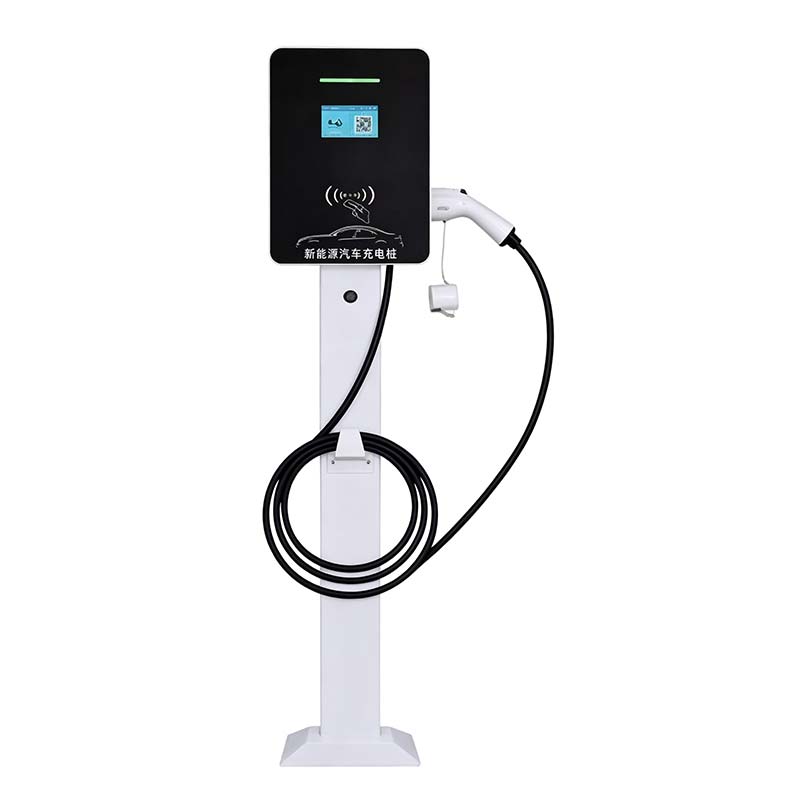
Review the related 7KW AC Charging Pile as a starting point for discussion. The listing identifies a relevant product or capability; this guide does not imply that every option described here is standard on that model. You can also explore TWJ’s EV charging products and send the project brief to TWJ.
Request a proposed configuration, a list of exceptions and the acceptance evidence included with the sample or pilot. Agree on the production baseline, change notifications and service deliverables before volume release. A focused enquiry helps the engineering and purchasing teams compare the same scope and gives the supplier enough context to identify a genuinely suitable arrangement.
Frequently asked questions
What should be checked first for Home EV Charger in this application?
Start with the actual operating problem: charger power must match both the available circuit and the vehicle. Collect service capacity, vehicle AC limit and overnight energy requirement and identify the exact model or service scope being proposed. A broad product-family description is insufficient for approving the specific configuration.
Which evidence matters most for garage circuit planning and daily energy needs?
The key records are service capacity, vehicle AC limit and overnight energy requirement. Give each a source, revision and owner. Compare documentation with a controlled test where appropriate, and keep any unverified requirement open until the responsible party supplies evidence.
How should a Home EV Charger sample be evaluated?
Identify AC or DC architecture, vehicle limit and per-port rating. Use required kWh, available dwell time and realistic average accepted kW. Use representative conditions, record the tested configuration and verify recovery after relevant controlled faults. A single successful demonstration should not be generalized to every installation.
Can a different Home EV Charger model or revision be substituted?
Only after the responsible team reviews compatibility and the affected evidence. For Home EV Charger procurement, compare interfaces, limits, firmware where applicable and service requirements. Record the approved change and repeat the relevant acceptance checks rather than infer interchangeability from appearance or a similar rating.
What should a TWJ Home EV Charger enquiry include?
Include the application, destination, quantity, operating environment and required evidence: service capacity, vehicle AC limit and overnight energy requirement. Ask for the proposed configuration, explicit exceptions, sample or pilot scope and service deliverables. This supports a quotation based on the project requirements.