Yayın Tarihi: 20 Haziran 2026 | Kategori: Elektronik Üretim Popüler Bilim | Kelime Sayısı: 1296
5G bağlantısı, yapay zeka (AI), elektrikli araçlar (EV'ler) ve tam sahne akıllı üretim çağında, insanların günlük olarak kullandığı her akıllı elektronik cihaz bir çekirdek taşıyıcıya dayanır: PCBA. Akıllı telefonlardan, akıllı giyilebilir cihazlardan, otomotiv sürüş kontrol sistemlerinden endüstriyel robotik kollara ve tıbbi teşhis ekipmanlarına kadar, Baskılı Devre Kartı Montajı (PCBA), tüm elektronik donanımların sinir sistemi ve beyin taşıyıcısı olarak hareket eder. Küresel elektronik alıcıları, başlangıç mühendisleri ve sınır ötesi marka operatörleri için, PCBA tanımını, üretim sürecini, sınıflandırmayı, endüstri standartlarını ve 2026 küresel pazar eğilimlerini anlamak, tedarik zinciri seçimi, ürün Ar-Ge ve kalite risk kontrolü için gereklidir. Bu makale, küresel denizaşırı endüstri kullanıcıları için özel olarak hazırlanmış profesyonel, anlaşılması kolay PCBA popüler bilimi sunmaktadır.
1. Temel Tanım: PCB ve PCBA Arasındaki Açık Fark
Yurtdışı acemi alıcıların çoğu, elektronik imalatta tamamen farklı iki bağlantı olan PCB ve PCBA'yı karıştırıyor Tanımı netleştirmek, tedarik ve üretim iletişimini standartlaştırmanın ilk adımıdır:
PCB (Baskılı Devre Kartı): Kaynaklı herhangi bir elektronik bileşen içermeyen çıplak bir bakır devre alt katmanı. İletken bakır izleri, yalıtım alt katmanları ve önceden ayarlanmış pedlerle kazınmış, yalnızca devre kablolama desteği sağlayan, açılma işlemi işlevi olmayan boş bir karttır. Yaygın türler arasında sert PCB, esnek FPC, sert esnek kombine kart ve yüksek frekanslı yüksek hızlı PCB bulunur.
PCBA (Baskılı Devre Kartı Meclisi): Dirençlerin, kapasitörlerin, çiplerin, sensörlerin, konektörlerin ve diğer elektronik bileşenlerin profesyonel montaj işlemleri yoluyla çıplak PCB'ye monte edilmesi, kaynaklanması, test edilmesi ve doğrulanmasıyla elde edilen bitmiş fonksiyonel kart. Sadece PCBA, terminal elektronik ürünlerine monte edilen doğrudan aksesuar olan devre iletimi, veri hesaplama, sinyal alma ve ekipman kontrol fonksiyonlarını gerçekleştirebilir.
Basitçe söylemek gerekirse: PCB boş bir yoldur ve PCBA, tam trafik işletme fonksiyonlarına sahip çalışan araçlar ve kontrol tesisleriyle dolu bir yoldur.
2. 2026 Yılında Ana Akım PCBA Üretim Süreçleri
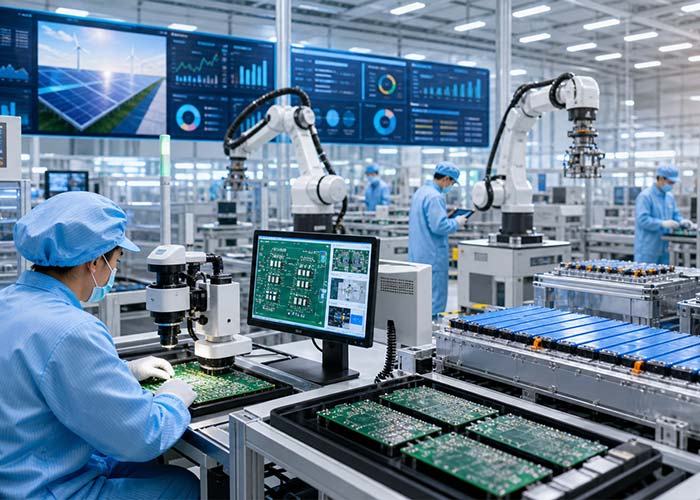
Küresel PCBA fabrikaları, IPC uluslararası endüstri normlarına uygun standartlaştırılmış üretim akışları ile terminal ürün talepleri ile eşleşen iki olgun montaj teknolojisini benimser Tüm üretim süreci, malzeme gelen muayene, lehim macunu baskısı, bileşen montajı, yeniden akış lehimleme, kalite denetimi ve yaşlanma testini kapsar.
2.1 SMT (Yüzey Montaj Teknolojisi)
2026'da küresel PCBA üretim hacminin 85%'nin üzerinde yer kaplayan baskın ana akım süreç olarak SMT, minyatürleştirilmiş yüzeye monte cihazları (SMD) doğrudan yüzey pedlerine monte eder. Özellikler arasında ultra küçük boyutlu, yüksek entegrasyonlu, kitlesel düşük maliyetli üretim, tüketici elektroniği için uygun, 5G iletişim modülleri ve AI çip anakartları yer alır. Yükseltilmiş otomatik yerleştirme makinelerinden yararlanan modern SMT, giyilebilir akıllı cihazların minyatürleştirme taleplerini karşılayan 0201 ultra ince bileşen montajını destekler.
2.2 THT (Delikten Geçiş Teknolojisi)
Geleneksel plug-in kaynak işlemi, lehimleme için delikler aracılığıyla PCB içine bileşen pimleri ekleme.daha güçlü mekanik stres direnci ve daha iyi istikrar övünür, esas olarak yüksek güçlü ekipman, endüstriyel güç kaynağı PCBA, otomotiv on-board kontrol panoları ve şok direnci gerektiren yüksek voltajlı elektronik cihazlarda uygulanır.şu anda, çoğu orta ve üst düzey yurtdışı siparişleri, performans ve hacmi dengelemek için hibrit SMT + THT kombine montaj sürecini benimsemektedir.
2.3 Temel Üretim Sonrası Test Prosedürleri
Nitelikli ticari sınıf PCBA çok boyutlu test geçmek zorundadır: kaynak kusur tarama için AOI otomatik optik muayene, BGA yongaları gizli lehim ortak kalitesi için X-ışını algılama, ICT devre iletim testi, ve fonksiyonel yaşlanma testi terminal çalışma sıcaklığına adapte Endüstriyel ve otomotiv sınıfı PCBA ayrıca tuz sprey, karmaşık dış mekan çalışma ortamlarına uyum sağlamak için yüksek-düşük sıcaklık döngüsü güvenilirlik testleri gerekir.
3. PCBA'nın Küresel Sınıflandırması & Uygulama Senaryoları (2026 Endüstriyel Düzen)
Alt sektör yükseltmesinin yönlendirdiği küresel PCBA pazarı, bölümlere ayrılmış yineleme sunuyor Mordor Intelligence resmi 2026 endüstri verilerine göre, küresel PCBA pazar büyüklüğü 2026'da 103,99 milyar ABD dolarına ulaşıyor ve 2026'dan 2031'e kadar 5,22%'lik bir CAGR ile Otomotiv elektroniği ve 5G AI altyapısı en hızlı büyüyen segmentasyon parçalarıdır. Uygulama derecesine göre sınıflandırılan ana akım PCBA kategorileri aşağıdaki gibidir:
3.1 Tüketici Sınıfı PCBA
Akıllı telefonlar, Bluetooth ses, akıllı ev kameraları, tablet bilgisayarlar ve ev tipi akıllı cihazlarda uygulanan en büyük pazar payı segmenti Özellikler: maliyet kontrollü tasarım, standartlaştırılmış devre düzeni, büyük parti hızlı teslimat, temel çevresel direnç Avrupa ve Amerika pazarları için RoHS çevre koruma zorunlu standartlarını takip eder.
3.2 Otomotiv Sınıfı PCBA
EV akü yönetim sistemi (BMS), ADAS destekli sürüş kartı, akıllı kokpit kontrolü PCBA ve araca monteli algılama modüllerini kapsayan 2026'nın en sıcak büyüme yolu. Bu tür PCBA, -40 °C ila 125 °C geniş sıcaklıkta çalışmayı, titreşim önleyici ve elektromanyetik girişim performansını destekleyen IATF16949 otomotiv kalite sertifikasını geçmelidir. Yeni enerji araçlarının küresel penetrasyon büyümesiyle birlikte, yüksek güvenilirliğe sahip otomotiv PCBA sipariş hacmi yıldan yıla artıyor.
3.3 İletişim ve Yapay Zeka Endüstriyel PCBA
5G makro baz istasyonları, kenar bilgi işlem sunucuları, AI bilgi işlem kartları ve ağ anahtarlama ekipmanları için özelleştirilmiş yüksek frekanslı yüksek hızlı PCBA. Özel yüksek frekanslı alt tabaka malzemelerini benimser, düşük gecikmeli yüksek hızlı sinyal iletimini destekler ve üretimde sıkı empedans kontrolü gerektirir, esas olarak küresel iletişim operatörlerine ve bulut bilişim üreticilerine tedarik edilir.
3.4 Tıbbi ve Endüstriyel Sınıf PCBA
Tıbbi PCBA, tıbbi biyouyumluluk ve korozyon önleyici standartları karşılayan cerrahi robotlar, taşınabilir teşhis aletleri ve ev tipi tıbbi izleme ekipmanları sunmaktadır Endüstriyel PCBA, PLC kontrolörleri, otomatik sensör modülleri ve dış mekan IoT izleme ekipmanlarıyla eşleşir ve 8-10 yıla kadar uzun hizmet ömrüne sahiptir, tüketici sınıfı kartların hizmet döngüsünü çok aşar.
İhracat PCBA için 4. Core Uluslararası Uyumluluk Standartları
Kuzey Amerika, AB, Güneydoğu Asya ve Orta Doğu pazarlarında iş yapan sınır ötesi elektronik üreticileri için PCBA ihracatının, gümrükleme ve çevrimdışı satışlar için temel eşik olan birleşik uluslararası sertifikasyon standartlarına uyması gerekir:
- IPC-A-600: Küresel birleşik PCBA görünümü ve kaynak kalitesi kabul standardı, yurtdışı fabrika işbirliği için en temel denetim kriteri
- AB RoHS 2.0: Kurşun, cıva ve diğer zararlı ağır metalleri kısıtlayın, Avrupa Birliği topraklarına giren tüm elektronik PCBA için zorunludur
- IATF16949: Küresel otomobil üreticilerini desteklemek için otomotiv PCBA tedarik zincirine yönelik özel sertifika gereklidir
- UL E79601: Amerika pazarındaki güç tipi PCBA için yangına dayanıklılık ve güvenlik sertifikası
5. 2026 Küresel PCBA Endüstri Trendleri ve Alıcı İpuçları
Q1-Q2 2026 küresel elektronik üretim tedarik zinciri verileriyle birlikte, üç ana trend PCBA endüstrisi ekolojisini yeniden şekillendiriyor: Birincisi, esnek minyatürleştirilmiş PCBA ana akım haline geliyor, katlanabilir terminallerde ve giyilebilir cihazlarda yaygın olarak kullanılıyor; ikincisi, yeşil kurşunsuz tam proses üretimi tamamen popüler hale geliyor ve düşük karbonlu PCBA üretim hatları nitelikli tedarikçiler için standart haline geliyor; üçüncüsü, bölgesel tedarik zinciri farklılaşması hızlanıyor, Asya-Pasifik bölgesi prototip prova, küçük parti özelleştirme ve büyük ölçekli seri üretim avantajlarıyla küresel PCBA üretim kapasitesinin yaklaşık 50%'sini kaplıyor.
Küresel bağımsız marka alıcıları ve donanım mühendisleri için pratik satın alma önerileri şunlardır: Kart derecesini önceden seçmek için kullanım senaryolarını ayırt edin, sipariş vermeden önce sertifika gereksinimlerini onaylayın, tek elden PCB prova + bileşen tedariki + PCBA montajı + test hizmeti ile üreticilere öncelik verin, bu da ürün geliştirme döngüsünü etkili bir şekilde kısaltabilir ve satış sonrası başarısızlık oranını kontrol edebilir.
6. Sonuç
Küresel dijital ekonominin vazgeçilmez temel bileşeni olarak PCBA, tüm akıllı elektronik ekipmanların performansını, istikrarını ve hizmet ömrünü belirler.Temel devre iletiminden yüksek hassasiyetli AI operasyonuna ve araç güvenliği kontrolüne kadar, PCBA malzemelerinin, süreçlerinin ve standartlarının yinelemeli yükseltilmesi her zaman küresel elektronik teknolojisinin gelişimine eşlik eder.2026'ya girerken, 5G-A'nın derin popülerleşmesi, otonom sürüş ve endüstriyel IoT, yüksek güvenilirlik, özelleştirilmiş, enerji tasarrufu sağlayan PCBA istikrarlı pazar büyümesini sürdürecek.Temel PCBA profesyonel bilgisine hakim olmak, küresel endüstri uygulayıcılarının ürün tasarımını optimize etmesine, yüksek kaliteli tedarikçileri taramasına ve sınır ötesi üretim kalitesi risklerinden kaçınmasına yardımcı olur.