Table of Contents
Introduction
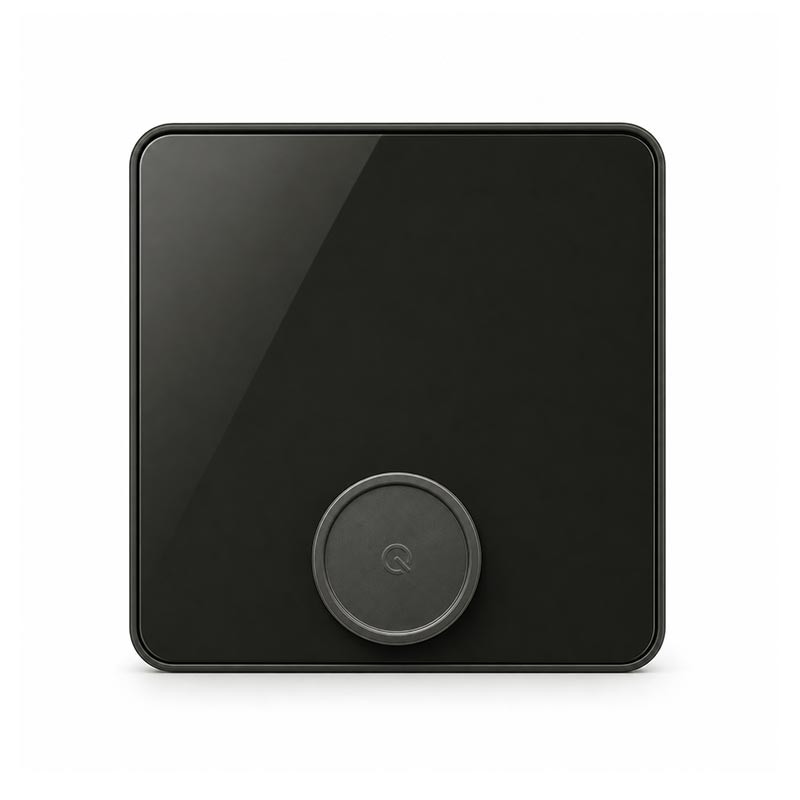
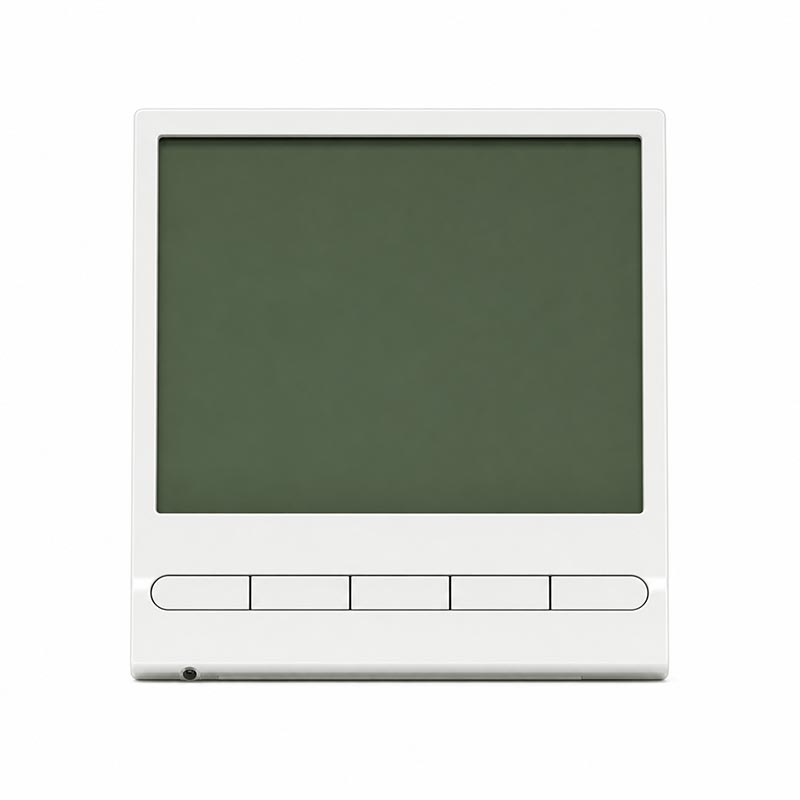
A Smart Thermostat can do far more than let you change the temperature from a phone. When it is properly matched to an HVAC system, its real value lies in making better control decisions: when equipment should start, how long it should run, when a room no longer needs conditioning, and how quickly the system should respond to changing conditions.
That distinction matters because HVAC energy waste is often a control problem rather than simply an equipment problem. A heating or cooling system can be technically efficient and still consume unnecessary energy if it runs in empty spaces, responds to inaccurate temperature readings, cycles too frequently, or operates according to schedules that no longer reflect actual occupancy.
Field-based efficiency criteria provide useful evidence for this point. ENERGY STAR evaluates qualifying smart thermostats using real operating data rather than relying only on laboratory specifications. Its published smart thermostat criteria include annual HVAC runtime-reduction requirements, demonstrating that effective thermostat control can have a measurable influence on system operation.
However, not every feature on a Smart Thermostat contributes equally to energy performance. Touchscreens, decorative interfaces and mobile notifications may improve usability, but the features that matter most are those that improve sensing, scheduling, equipment matching and control accuracy.
This guide examines seven Smart Thermostat features that can make a practical difference to HVAC energy use and explains what buyers, system designers and project managers should look for beyond the marketing language.
Why Smart Thermostat Features Matter for HVAC Efficiency
An HVAC system reacts to instructions. The thermostat provides many of those instructions.
At the simplest level, a thermostat measures temperature, compares that reading with a target setpoint and calls for heating or cooling when necessary. A modern Smart Thermostat adds another layer of decision-making through schedules, sensors, remote inputs, communication protocols and configurable control logic.
This creates an important principle: energy efficiency depends not only on how efficient the HVAC equipment is, but also on how intelligently it is operated.
Consider a room that reaches its target temperature at the correct time but continues receiving heat for another twenty minutes because the sensor is poorly positioned. The heating equipment may be operating exactly as commanded, but energy is still being wasted. A similar problem occurs when a fan coil continues running after the space is unoccupied or when different zones are conditioned according to one fixed schedule.
A well-configured Smart Thermostat helps reduce these control losses by aligning HVAC operation more closely with real thermal demand.
The broader concept of a Smart Thermostat includes programmable control, connectivity and automated adjustment. In practical HVAC engineering, however, the usefulness of those technologies depends on how accurately they influence actual equipment behavior.
Feature 1: Accurate Temperature Sensing and Calibration
Every thermostat control decision begins with a temperature reading. If that reading is inaccurate, every decision that follows can also be inaccurate.
A Smart Thermostat may display a precise number such as 22.0°C, but display resolution and measurement accuracy are not the same thing. What matters is whether the sensor reading represents the actual condition of the controlled space.
Temperature errors can arise from sensor tolerance, installation location, self-heating from electronics, airflow around the enclosure or nearby heat sources. Direct sunlight, supply-air outlets, exterior walls and frequently opened doors can all cause a thermostat to measure conditions that are different from what occupants actually experience.
This matters for energy use because a sensor reading that is artificially low may keep heating active longer than necessary. A reading that is artificially high can have the same effect on cooling.
Calibration functionality gives installers or operators the ability to correct small differences between measured and reference temperatures. That is particularly valuable in projects where several rooms need consistent control or where thermostats are installed under different environmental conditions.
For example, TWJ’s 832 multifunction hydronic thermostat incorporates adjustable parameters and temperature calibration capabilities while supporting hydronic heating, electric heating and fan coil applications. That type of configurability is more important to real HVAC performance than simply adding more interface features.
The key point is straightforward: before asking whether a Smart Thermostat has advanced automation, ask whether it measures the controlled condition reliably.
Feature 2: Intelligent Scheduling That Matches Real Occupancy
One of the most direct ways to reduce HVAC waste is to stop treating every hour of the day as though it has the same comfort requirement.
Traditional thermostats often maintain one setpoint continuously unless someone manually changes it. A programmable or Smart Thermostat can apply different setpoints according to daily operating periods, allowing heating and cooling demand to fall during times when full comfort is unnecessary.
The Department of Energy has published guidance showing that thermostat setback strategies can reduce heating and cooling energy use under suitable conditions. A commonly cited example is that changing a thermostat setting by around 7–10°F for eight hours per day can produce savings of up to roughly 10% annually, although actual performance varies substantially with building characteristics, HVAC equipment and operating patterns.
The important word is “suitable.”
More aggressive setbacks do not automatically create better results. High-thermal-mass systems, hydronic floor heating and some variable-capacity systems respond slowly. A very deep setback may require a long recovery period and can sometimes cause the system to operate at unnecessarily high capacity.
A better Smart Thermostat schedule therefore considers both occupancy and system response.
For a typical building, that might mean maintaining normal comfort conditions during occupied periods, applying moderate setbacks during predictable vacant periods and beginning recovery only early enough to reach the desired condition when occupancy resumes.
The smartest schedule is not necessarily the one with the largest temperature change. It is the one that avoids conditioning empty spaces without creating inefficient recovery behavior.
Feature 3: Remote Control That Prevents Forgotten HVAC Operation
Remote control is often promoted as a convenience feature, but its energy value is more practical than that.
Schedules are useful when building use is predictable. Real life often is not.
A meeting may be cancelled. A room may become vacant earlier than expected. A facility may close unexpectedly. A user may leave while forgetting to adjust the thermostat. In these situations, remote access allows the operator to correct HVAC operation without being physically present.
This is especially useful in facilities with multiple independently controlled areas. Instead of leaving every zone at a comfort setpoint until someone returns to the building, authorized users can adjust operating modes or schedules centrally.
Remote control can also improve maintenance response. If an operator sees that one zone remains far from its setpoint or appears to be running continuously, that abnormal behavior can be investigated before it persists for days.
However, connectivity should complement local control rather than replace it completely. A robust Smart Thermostat should retain essential temperature-control functionality even when remote communication is temporarily unavailable.
That distinction separates useful HVAC connectivity from connectivity added simply as a product feature.
Feature 4: Multi-Period Programming for Better Daily Control
Weekly scheduling and multi-period programming sound similar, but there is an important operational difference.
A simple scheduler may offer one occupied and one unoccupied period per day. Real buildings often have more complex patterns.
A space may require morning preheating, daytime comfort control, a midday reduction, an evening operating period and an overnight setback. Multi-period programming allows the Smart Thermostat to follow that changing demand instead of forcing the operator to choose one compromise setting.
This is particularly relevant for hydronic heating and floor-heating systems because their thermal response is different from fast-response forced-air equipment. An intelligent schedule can start heating earlier at a moderate output rather than waiting until the last moment and then demanding aggressive recovery.
The result is not merely convenience. Better timing can reduce overshoot, shorten unnecessary runtime and improve consistency.
Programming flexibility also helps during seasonal transitions. The same schedule that works during peak heating demand may be unnecessarily aggressive during milder conditions. Adjustable periods make the control strategy easier to refine without changing the underlying HVAC system.
For project buyers, this makes the number and flexibility of programmable periods worth checking during thermostat selection.
Feature 5: Adjustable Differential and Control Logic
A thermostat rarely switches the HVAC system exactly at one fixed temperature with no tolerance. Instead, it normally uses a small range around the setpoint before changing the output state.
This range is commonly called the differential, deadband or hysteresis.
If the differential is too narrow, the thermostat may respond to tiny temperature fluctuations by switching equipment on and off repeatedly. This can create short cycling.
If it is too wide, the room temperature may fluctuate noticeably before the thermostat responds.
The goal is to find a control range appropriate for the HVAC system.
A hydronic heating loop, electric floor-heating circuit and fan coil unit do not respond at the same speed. Applying exactly the same control strategy to each can produce poor results.
Smart Thermostat designs with configurable parameters give technicians greater ability to match the controller to the equipment’s thermal behavior.
This becomes particularly important in systems with multiple operating stages or fan speeds. The thermostat should not always call for maximum capacity simply because the measured temperature has moved slightly away from the setpoint.
Good control logic applies only the amount of HVAC response that is necessary.
That can support longer, more stable operation and reduce the repeated start-stop behavior associated with poorly tuned controls.
Feature 6: Zone-Level Control and Centralized Communication
HVAC systems waste energy when they condition spaces that do not currently need heating or cooling.
Zone control addresses that problem by dividing a building into areas with separate temperature requirements.
A Smart Thermostat installed in each zone can measure local conditions and request HVAC operation according to that zone’s actual demand. This is particularly useful where occupancy, orientation or internal heat loads vary substantially from one space to another.
However, effective zoning involves more than installing multiple thermostats. The controllers must cooperate with valves, dampers, fans or central equipment correctly.
Communication technologies such as RS485 can make that coordination easier by allowing multiple thermostats to exchange information with a centralized control system.
This approach can be useful in projects involving multiple rooms or repeated HVAC zones because operating parameters, status information and control commands can be managed more systematically.
Centralized communication also creates better visibility. If one thermostat is consistently requesting unusually long runtime compared with similar zones, the difference may point to a control problem, sensor issue or equipment fault.
In other words, connected zoning does more than provide convenience. It can turn individual thermostats into useful data points for overall HVAC performance management.
Feature 7: Runtime Monitoring and Energy-Aware Feedback
You cannot optimize what you never observe.
A Smart Thermostat that records HVAC runtime or operating status gives users a better way to evaluate what the system is actually doing instead of relying only on temperature settings.
Imagine two rooms set to the same temperature. One heating zone operates for three hours per day while another requires seven hours under similar conditions.
The second room is not automatically inefficient, but the difference deserves investigation. Possible causes could include higher thermal load, poor insulation, incorrect sensor placement, a partially closed valve, an open window or a thermostat configuration issue.
Runtime data helps reveal patterns such as these.
ENERGY STAR’s smart thermostat framework also emphasizes operating information and field performance rather than judging smart thermostats purely by laboratory specifications. Its criteria include HVAC runtime-reduction metrics, reinforcing the idea that real-world control behavior is what ultimately matters.
The best Smart Thermostat monitoring features therefore do more than create attractive charts. They help users answer operational questions.
Is the system running longer than last month? Does one zone behave differently from the others? Did changing the schedule reduce runtime without affecting comfort? Does the equipment keep cycling during periods of low demand?
These questions turn thermostat data into actionable information.
How the Seven Features Reduce Different Types of HVAC Waste
Not every Smart Thermostat feature solves the same problem. The table below shows how each capability relates to common forms of HVAC energy waste.
| Smart Thermostat Feature | Main HVAC Waste Addressed | Practical Control Benefit |
|---|---|---|
| Accurate sensing and calibration | Heating or cooling based on incorrect temperature data | More representative temperature feedback |
| Intelligent scheduling | Conditioning unoccupied spaces | Aligns HVAC operation with actual use |
| Remote control | Forgotten or outdated operating settings | Allows timely adjustment when plans change |
| Multi-period programming | Excessive runtime across changing daily loads | Matches setpoints to different operating periods |
| Adjustable differential | Short cycling and temperature overshoot | Improves control stability |
| Zone and centralized control | Conditioning spaces with different demand equally | Delivers heating or cooling where required |
| Runtime monitoring | Hidden control faults and excessive operation | Makes abnormal HVAC behavior easier to identify |
The table also highlights an important point for buyers: energy performance rarely comes from one “energy-saving feature.” It comes from several control functions working together.
A thermostat with excellent scheduling but poor temperature sensing can still waste energy. A thermostat with precise sensing but no practical way to adapt to occupancy may also run longer than necessary.
The system should therefore be evaluated as a complete control process.
Why System Compatibility Matters More Than the Feature Count
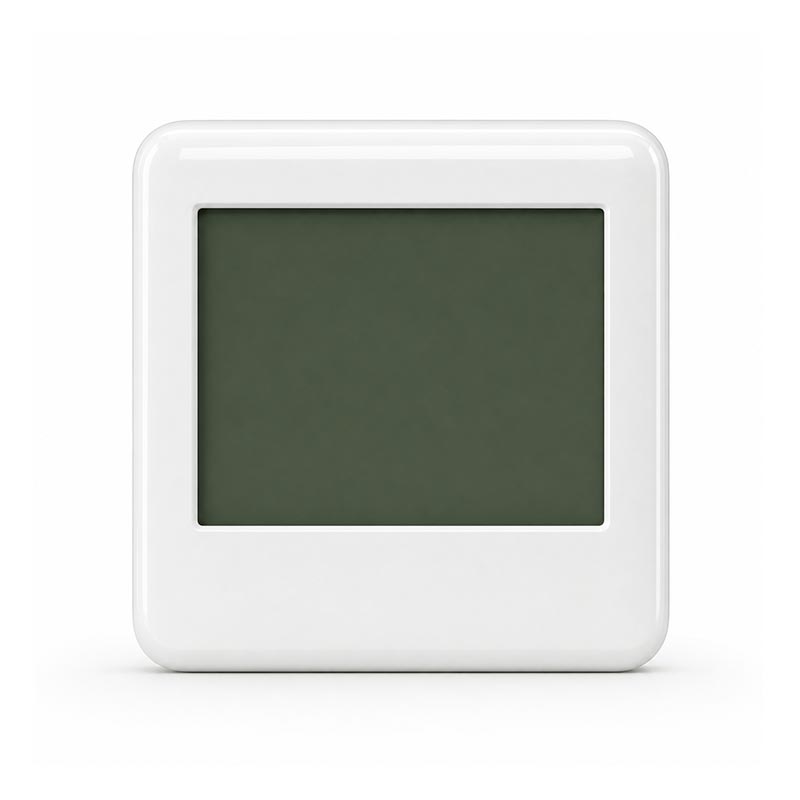
It is easy to compare Smart Thermostat models by counting functions. That approach can be misleading.
A thermostat with twenty smart features is not automatically better than one with ten if its outputs, communication method or control sequence do not match the HVAC equipment.
Before selecting a Smart Thermostat, buyers should establish the controlled system requirements first.
For example, a fan coil application may require control of several fan speeds and one or more valves. Hydronic heating may require actuator control and different thermal-response settings. Electric floor heating may need an external floor sensor and an output capable of handling the required electrical load. Networked projects may require RS485 communication or centralized management.
These differences influence energy performance directly because the thermostat must send the correct commands to the equipment.
A mismatched controller can cause unnecessary fan operation, incorrect staging, excessive cycling or incomplete control of valves and actuators.
For that reason, thermostat selection should begin with HVAC architecture rather than display appearance.
Smart Thermostat Energy Savings Should Be Evaluated in Context
Smart Thermostat energy savings are often presented as one simple percentage, but real HVAC performance is more complicated.
ENERGY STAR reports that qualifying smart thermostats demonstrate savings using aggregated field data and includes minimum runtime-reduction criteria in its certification framework. These results are valuable because they demonstrate that control changes can produce measurable savings in actual use.
They should not, however, be interpreted as a guaranteed saving for every application.
Building envelope performance, occupancy, outdoor conditions, equipment efficiency, thermostat settings, sensor placement and previous user behavior can all affect the result.
If a building already uses carefully optimized schedules and good zoning, replacing the thermostat alone may produce a smaller improvement. A building that currently conditions unused spaces continuously may offer much greater optimization potential.
This is why professional energy evaluation should compare operation before and after changes rather than relying only on generic percentages.
Useful performance indicators include total HVAC runtime, occupied-space temperature stability, cycling frequency, zone-by-zone operating time and the number of manual overrides.
Energy performance should also be evaluated together with comfort. Reducing runtime while creating unacceptable temperature variation is not effective HVAC control.
Where Smart Thermostat Control Creates the Most Value
The value of Smart Thermostat functionality tends to increase as HVAC operating conditions become more variable.
A simple space with predictable occupancy and one heating zone may not need highly complex control. A building with multiple zones, changing occupancy and several HVAC system types presents a very different situation.
Hydronic heating benefits from carefully managed schedules and temperature feedback because stored thermal energy can continue affecting room temperature after heat input stops.
Fan coil systems benefit from appropriate coordination between valve demand and fan operation.
Multi-zone projects benefit from independent sensing and centralized monitoring because different spaces often experience different thermal loads.
Commercial and project-based systems may benefit from communication features that allow many thermostats to be monitored or configured through a central platform.
The correct feature set therefore depends on the application. Smart technology creates value when it solves a real control problem.
What HVAC Project Buyers Should Check Before Selecting a Smart Thermostat
Before comparing Smart Thermostat models, buyers should document the HVAC system requirements.
Start with the heating and cooling equipment. Identify whether the thermostat must control hydronic heating, electric heating, fan coil equipment, valves, relays or other outputs.
Then confirm supply voltage, allowable electrical load, sensor requirements and output logic.
Communication requirements should be considered early as well. A standalone installation may only require local control, while a multi-zone project may benefit from RS485 or another method of centralized communication.
Scheduling needs should reflect how the building actually operates rather than how it is expected to operate on paper.
Finally, consider commissioning.
A technically capable thermostat can still perform poorly if schedules, calibration values, differentials or communication settings are left at inappropriate defaults. Installation should therefore include functional testing, sensor verification and confirmation that every controlled output responds as intended.
For organizations developing customized HVAC controls, TWJ Smart provides smart HVAC control and OEM/ODM solutions covering thermostat development, electronics manufacturing and configurable control products.
How to Measure Whether a Smart Thermostat Is Actually Reducing Waste
The strongest way to evaluate Smart Thermostat performance is to compare operating data before and after a control change.
Start with HVAC runtime. If the thermostat is eliminating unnecessary operation, total runtime may decrease under comparable conditions.
Next, examine cycling frequency. A thermostat that reduces total runtime but causes frequent starts and stops may simply be exchanging one control problem for another.
Temperature stability should also be reviewed. Large swings around the setpoint can indicate that the differential, sensor location or control strategy needs adjustment.
For multi-zone systems, compare zones against one another. Large unexplained differences can reveal malfunctioning valves, poorly located sensors or incorrect schedules.
Finally, record comfort complaints and overrides. If occupants repeatedly override the programmed schedule, the schedule may not reflect actual use.
A Smart Thermostat should reduce unnecessary HVAC activity without forcing users to fight against the control strategy.
The Real Definition of an Energy-Efficient Smart Thermostat
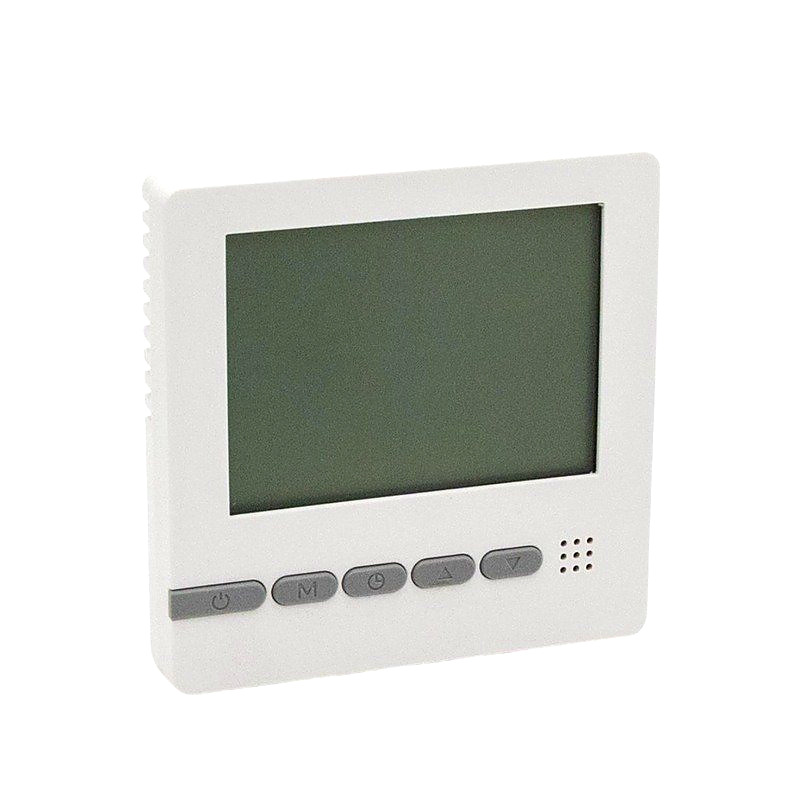
An energy-efficient Smart Thermostat is not simply one that connects to Wi-Fi or displays an energy icon.
It is a controller that receives useful information, interprets that information correctly and sends appropriate commands to the HVAC system.
Accurate sensing tells the thermostat what is happening.
Scheduling tells it when comfort is required.
Control parameters determine how aggressively the system responds.
Zoning tells it where heating or cooling is needed.
Communication enables coordination.
Monitoring shows whether the strategy is actually working.
When these functions are properly matched to the HVAC equipment, the thermostat becomes an active part of energy management rather than a simple wall-mounted switch.
Conclusion
The seven Smart Thermostat features that matter most for reducing HVAC energy waste are accurate temperature sensing, intelligent scheduling, remote control, multi-period programming, adjustable control logic, zone-level communication and runtime monitoring.
None of these features should be evaluated in isolation.
A good Smart Thermostat combines accurate sensing with appropriate control logic, practical scheduling and correct HVAC compatibility. More importantly, it gives operators enough flexibility and visibility to adjust the system as actual operating conditions change.
The most effective thermostat is therefore not necessarily the model with the longest feature list. It is the one that helps the HVAC system deliver the required indoor conditions with less unnecessary runtime, fewer control conflicts and more stable operation.
For HVAC project buyers, that is a more useful definition of “smart” than connectivity alone.
FAQ
What is the most important Smart Thermostat feature for energy efficiency?
Accurate temperature sensing is fundamental because every HVAC control decision depends on the temperature the thermostat measures. Scheduling, zoning and remote control can improve efficiency further, but inaccurate feedback can cause unnecessary heating or cooling regardless of how advanced the other features are.
How does a Smart Thermostat reduce HVAC energy waste?
A Smart Thermostat can reduce waste by matching HVAC operation to actual demand. Scheduling limits unnecessary conditioning, accurate sensors improve control decisions, and suitable differential settings reduce excessive cycling. Monitoring can also reveal unusually long runtime or inefficient zone behavior.
Can a Smart Thermostat reduce HVAC runtime?
Yes, when it replaces unnecessary operation with better scheduling and control. ENERGY STAR evaluates qualifying smart thermostats partly through measured heating and cooling runtime reductions. Actual results depend on the HVAC system, building characteristics, occupancy and previous control strategy.
Is Wi-Fi necessary for a Smart Thermostat to save energy?
No. Connectivity can improve remote control and monitoring, but energy performance primarily depends on sensing, scheduling, equipment compatibility and control logic. A properly configured standalone thermostat can still reduce waste, while a connected thermostat with poor settings may operate inefficiently.
What should I check before choosing a Smart Thermostat?
Confirm the HVAC system type, voltage, output requirements, sensor configuration, heating and cooling stages, scheduling needs and communication method. For multi-zone or project applications, also consider centralized control, commissioning requirements and whether parameters can be customized.