جدول المحتويات
قرار المشروع
Wireless Thermostat decisions become more useful when they begin with a specific operating problem. Consider a renovated property with reinforced walls. In this application, a receiver can lose the room demand signal even while the display looks normal. The purchasing or engineering team needs evidence that connects the proposed configuration to this requirement before treating a sample or quotation as acceptable.
This guide focuses on pairing and signal coverage in multiroom projects. Start by collecting pairing identity, receiver fallback state and coverage survey. Use those records to compare options and define a repeatable acceptance test. The scenario and numerical examples are hypothetical decision aids, not TWJ customer results or performance guarantees. Product-specific limits and installation decisions must come from the exact model documentation and responsible qualified professionals.
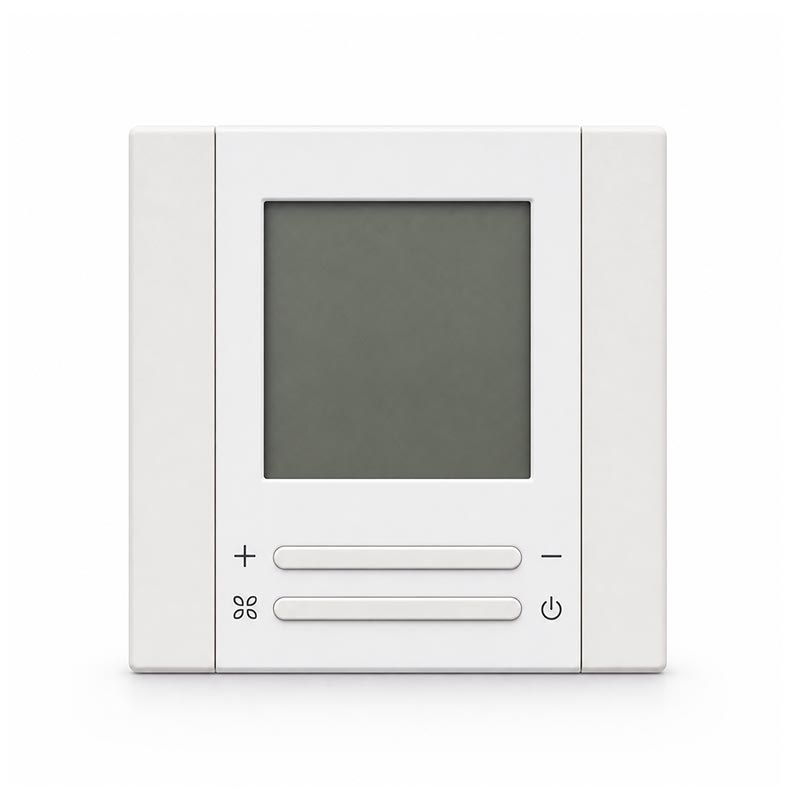
Pairing and Signal Coverage in Multiroom Projects
Survey coverage after the likely obstructions are present. A renovation can add cabinets or reinforced partitions after an early radio demonstration. Label transmitter and receiver identities before pairing, then call for heat from one room at a time. Keep a record of the physical output observed so later receiver replacement does not recreate cross-zone control.
For Wireless Thermostat, the acceptance question is whether the documented configuration resolves the stated problem under the project conditions. Give each of the evidence items a source, revision and owner. If two suppliers interpret an item differently, resolve that difference before comparing price. Keep assumptions visible so an unverified interface or limit does not silently become part of the approved design.
Survey radio coverage and receiver ownership
For Wireless Thermostat applications, radio range is a property of the installed environment as well as the transmitter. Reinforced walls, metal cabinets, receiver position and competing radio activity can affect communication. Treat an open-space range claim as a test condition, not a guarantee for every building. Survey the intended mounting locations with representative doors and equipment in their normal state.
A multi-zone Wireless Thermostat installation also needs controlled pairing. Assign each transmitter and receiver a visible identity, then verify room demand at the corresponding physical output. Keep a zone map and replacement procedure. Pairing several nearby units without a documented sequence can produce cross-control that is difficult to diagnose after walls and cabinets are closed.
Acceptance of Wireless Thermostat should include a sustained coverage check and deliberate interruption of the transmitter link. Record missed updates, timeout behavior and recovery. Where battery power is involved, repeat essential checks near the permitted low-battery condition. Confirm regional radio variants and applicable product evidence by exact model. Do not assume one radio configuration can be shipped unchanged to every destination.
Define offline, low-battery and restart behavior
A Wireless Thermostat needs a defined response when a dependency disappears. List power loss, exhausted transmitter batteries, a failed network and unavailable supervisory software separately. These events can require different fallback states. The design should state which functions remain local, which settings are retained and how users recognize that the system is degraded.
For Wireless Thermostat evaluation, reproduce the relevant failures under controlled conditions. Observe the last valid command, the elapsed timeout and the resulting output state. Reconnect the dependency and check for stale commands or duplicate actions. A device that resumes operation without an error message still needs verification that its clock, limits and zone ownership remain correct.
Include Wireless Thermostat recovery in service instructions. Operators should know whether a reset removes pairing, schedules, network credentials or installer settings. Keep essential local operation independent of services where the product design supports it. Record the exact firmware and configuration used in testing so the fallback result can be rechecked after an update or component change.
تقييم تسلسل التحميل والتبديل
A Wireless Thermostat output should be assessed with the actual controlled load. Record steady current, starting or inrush current, switching frequency and any suppression recommended by the equipment designer. Several small actuators can create a meaningful combined load. Add their simultaneous demand rather than assuming that only one zone operates at a time. The relevant limit is the tested output arrangement, including wiring and enclosure conditions.
The Wireless Thermostat switching sequence also matters. A valve may need time to travel before useful flow is available. A pump or boiler enable may need coordination with open zones and the heat source's own minimum run or anti-cycle rules. Write these interactions as states and transitions. An equipment-specific sequence is more useful than a general promise of smart control.
During Wireless Thermostat acceptance, record the commanded state, observed output and equipment response together. Include repeated demand calls, removal of demand and restoration after an interrupted supply. Observe contact behavior under the intended load with suitable test equipment. Agree on the required endurance evidence with the supplier instead of converting a single relay rating into an assumed service-life claim.
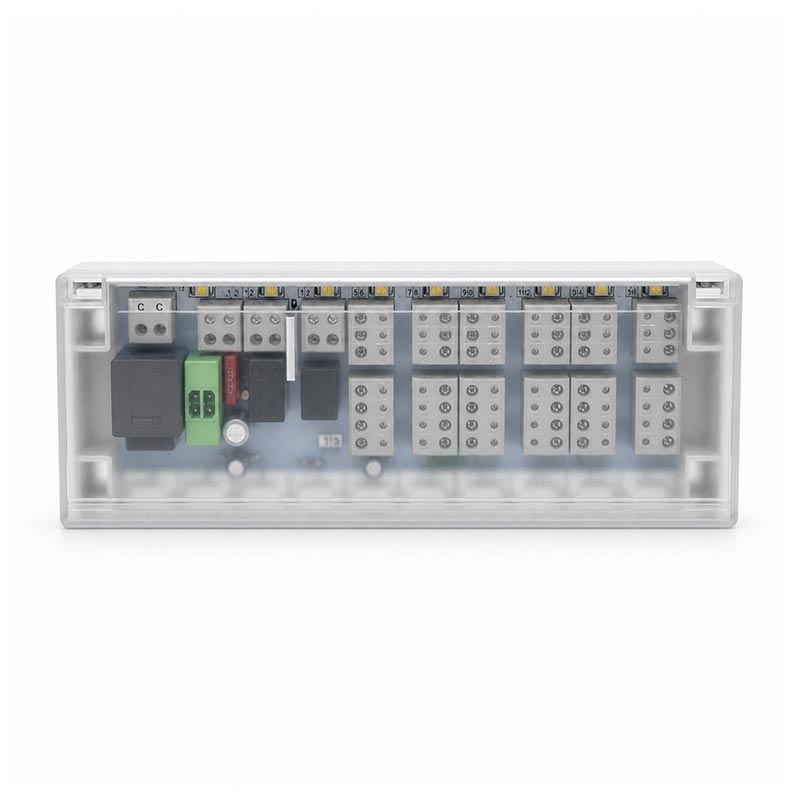
احتفظ بسجلات التثبيت والخدمة قابلة للاستخدام
A Wireless Thermostat project benefits from a concise as-built record. Capture model code, supply option, output type, sensor variant, firmware and zone assignment. Keep photographs of legible terminal labels and the approved wiring drawing. These records allow a service technician to distinguish a configuration problem from a failed component without repeating the original specification exercise.
For repeat Wireless Thermostat orders, connect the purchasing code to the approved technical configuration. A display colour or housing change should not obscure a different output rating. Mark replacement compatibility explicitly, including accessories that must be exchanged together. Stock planning should reflect the number of installed variants and the practical lead time for a verified spare.
At Wireless Thermostat handover, demonstrate the normal controls, limits, reset procedure and fault indicators. Provide the final settings in an editable format and identify the party responsible for future revisions. After maintenance, update the record rather than leaving two conflicting versions. Good documentation reduces avoidable callbacks and helps the supplier reproduce a reported fault.
اختبار التحولات والأخطاء مع نتائج قابلة للقياس
A Wireless Thermostat functional test should exercise more than normal heating demand. Identify credible faults such as sensor disconnection, supply interruption, communication loss and an unexpected equipment response. For each test, state the starting condition, action, expected indication and acceptable output state. Avoid criteria that merely say the device works normally.
Use a controlled setup for Wireless Thermostat fault testing. Do not create hazardous conditions in an occupied installation. Suitable simulators and qualified test personnel can reproduce input faults while keeping the controlled equipment isolated where appropriate. Record measured timing, firmware and configuration so a later sample can be compared under the same conditions.
After each Wireless Thermostat fault, verify recovery as carefully as detection. Check retained settings, clock, zone ownership and output sequence. An alarm clearing is insufficient if the device returns to an unintended mode. Include a final normal-operation test after the full fault sequence to reveal cumulative problems. Link unresolved deviations to an owner and an agreed disposition before volume release.
Interpret room trends before changing equipment
A Wireless Thermostat complaint should be evaluated using a time series rather than a single reading. Collect room temperature, setpoint, demand state and occupancy context. Where relevant, add supply-water temperature or outdoor conditions. This helps separate sensing error, control settings and insufficient heating capacity.
Compare Wireless Thermostat trends before and after one deliberate change. Keep sensor location and reference method consistent. If the room never reaches setpoint while demand remains active, a larger switching band is unlikely to solve the underlying capacity problem. If temperature overshoots after demand ends, stored heat and response delay deserve attention before blaming display accuracy.
For Wireless Thermostat procurement, ask for defined response and endurance evidence rather than universal comfort claims. Performance depends on the building and equipment as well as the controller. Preserve the observed conditions with each result. A short commissioning log with clear timestamps can be more useful to a remote supplier than several unlabelled photographs of the display.
Compare quotations with the same technical and service scope
A Wireless Thermostat quotation comparison should start with a matched specification. List included accessories, configuration work, test evidence, packaging and support. Separate one-time engineering or tooling costs from recurring unit costs. A lower unit price is difficult to interpret when another proposal includes work that the cheaper offer excludes.
For Wireless Thermostat purchasing, ask suppliers to state assumptions about forecast quantity, order size, lead time and acceptable alternates. Align warranty scope and service responsibilities with the intended deployment. Do not invent a total-cost estimate without the required prices, usage and replacement assumptions. Use clearly labelled scenarios when inputs remain uncertain.
Keep the selected Wireless Thermostat proposal tied to the approved technical response. If cost reduction changes components, firmware or evidence scope, route it through engineering review. A purchasing record should explain the tradeoff and retain the previous baseline. This supports repeat orders without relying on recollection of a supplier conversation.
قارن الأدلة قبل اتخاذ القرار
The following comparison is an acceptance framework for Wireless Thermostat. It compares the quality of decision evidence rather than declaring one supplier or architecture universally superior. Apply the row that matches the project risk and retain the actual documents or measurements used.
| منطقة القرار | أساس غير مكتمل | أساس قابل للمراجعة |
|---|---|---|
| Pairing and Signal Coverage in Multiroom Projects | A receiver can lose the room demand signal even while the display looks normal. | Pairing identity, receiver fallback state and coverage survey. |
| Survey radio coverage and receiver ownership | بيان ميزة عام بدون شروط التكوين أو الاختبار. | Map transmitter identity to receiver output and test at installed locations. |
| Define offline, low-battery and restart behavior | بيان ميزة عام بدون شروط التكوين أو الاختبار. | Specify each loss condition, timeout, fallback state and restoration sequence. |
| تقييم تسلسل التحميل والتبديل | بيان ميزة عام بدون شروط التكوين أو الاختبار. | اذكر نوع الحمل الفعلي والتيار المتزامن وتسلسل الإخراج المطلوب. |
| احتفظ بسجلات التثبيت والخدمة قابلة للاستخدام | بيان ميزة عام بدون شروط التكوين أو الاختبار. | Retain model, firmware, zone map, wiring revision and final parameter set. |
| الافراج والخدمة | عينة معتمدة بدون حدود إنتاج أو استبدال. | التكوين المعتمد والتصرف في الإصدار المفتوح وسجلات الخدمة المرتبطة بالمتغير الذي تم تسليمه. |
مثال مراجعة عملي
Apply the review to a renovated property with reinforced walls. First state the concern in observable terms: a receiver can lose the room demand signal even while the display looks normal. Then connect the acceptance record to pairing identity, receiver fallback state and coverage survey. Compare the supplier response with an independent measurement or controlled demonstration where the requirement is measurable. Keep the exact hardware, software and test conditions with the result.
Illustrative check: A receiver beside a metal manifold cabinet may perform differently from the same receiver on an open bench. Test both the route and final mounting position.
Illustrative check: Disconnect the supervisory network while a room calls for heat, then restore it with a changed central schedule. Check which command takes precedence.
For Wireless Thermostat, a discrepancy should lead to a defined next step. Ask whether the cause is an unsuitable configuration, an incomplete interface definition or a failed acceptance result. Repeat the affected check after an approved correction. Avoid changing several variables together and then claiming the original problem is understood. The useful deliverable is a closed requirement with evidence, or a clearly recorded open issue and owner.
للحصول على خلفية مستقلة عن أدوات التحكم في الغرفة المتصلة، راجع وزارة الطاقة الأمريكية: منظمات الحرارة المتصلة. يوفر هذا المرجع الخلفية؛ لا تصدق على منتج TWJ أو تحل محل وثائقه الخاصة بالنموذج.
قم بإعداد استفسار مركز عن TWJ
Share the application and evidence requirements with TWJ before requesting a final Wireless Thermostat proposal. Include the intended destination, quantity, operating environment and the configuration questions identified above. Describe a renovated property with reinforced walls and explain why a receiver can lose the room demand signal even while the display looks normal. Ask the team to respond specifically to pairing identity, receiver fallback state and coverage survey, including any limitations or additional engineering work.
مراجعة ذات الصلة ترموستات لاسلكي 505-RF-3V كنقطة انطلاق للمناقشة. تحدد القائمة المنتج أو القدرة ذات الصلة؛ لا يعني هذا الدليل أن كل خيار موصوف هنا هو المعيار في هذا النموذج. يمكنك أيضًا استكشاف TWJ التحكم في منظم الحرارة والتدفئة والتهوية وتكييف الهواء و أرسل ملخص المشروع إلى TWJ.
اطلب تكوينًا مقترحًا وقائمة الاستثناءات وأدلة القبول المضمنة في العينة أو البرنامج التجريبي. الموافقة على خط الأساس للإنتاج وإخطارات التغيير وتسليمات الخدمة قبل إصدار الحجم. يساعد الاستفسار المركز فرق الهندسة والمشتريات على مقارنة نفس النطاق ويمنح المورد سياقًا كافيًا لتحديد الترتيب المناسب حقًا.
الأسئلة المتداولة
What should be checked first for Wireless Thermostat in this application?
Start with the actual operating problem: a receiver can lose the room demand signal even while the display looks normal. Collect pairing identity, receiver fallback state and coverage survey and identify the exact model or service scope being proposed. A broad product-family description is insufficient for approving the specific configuration.
Which evidence matters most for pairing and signal coverage in multiroom projects?
The key records are pairing identity, receiver fallback state and coverage survey. Give each a source, revision and owner. Compare documentation with a controlled test where appropriate, and keep any unverified requirement open until the responsible party supplies evidence.
How should a Wireless Thermostat sample be evaluated?
Map transmitter identity to receiver output and test at installed locations. Specify each loss condition, timeout, fallback state and restoration sequence. Use representative conditions, record the tested configuration and verify recovery after relevant controlled faults. A single successful demonstration should not be generalized to every installation.
Can a different Wireless Thermostat model or revision be substituted?
Only after the responsible team reviews compatibility and the affected evidence. For Wireless Thermostat procurement, compare interfaces, limits, firmware where applicable and service requirements. Record the approved change and repeat the relevant acceptance checks rather than infer interchangeability from appearance or a similar rating.
What should a TWJ Wireless Thermostat enquiry include?
Include the application, destination, quantity, operating environment and required evidence: pairing identity, receiver fallback state and coverage survey. Ask for the proposed configuration, explicit exceptions, sample or pilot scope and service deliverables. This supports a quotation based on the project requirements.