Inhoudsopgave
Het projectbesluit
Wall Mounted Lithium Battery decisions become more useful when they begin with a specific operating problem. Consider a residential project reserving a compact battery location. In this application, wall suitability and service access can constrain the system layout. The purchasing or engineering team needs evidence that connects the proposed configuration to this requirement before treating a sample or quotation as acceptable.
This guide focuses on mounting, service clearance and expansion. Start by collecting unit mass, mounting drawing and approved service clearance. Use those records to compare options and define a repeatable acceptance test. The scenario and numerical examples are hypothetical decision aids, not TWJ customer results or performance guarantees. Product-specific limits and installation decisions must come from the exact model documentation and responsible qualified professionals.
Mounting, Service Clearance and Expansion
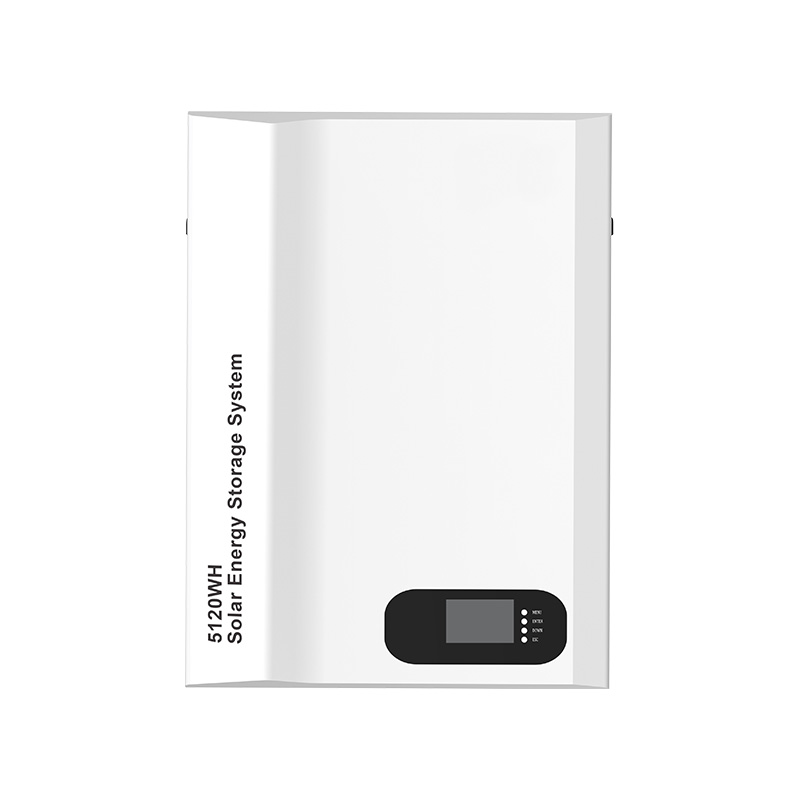
Use the selected battery's mass and mounting drawing to review the support structure. Reserve access for isolation, connections and authorized service. A compact wall position can become unsuitable when future capacity is added. Keep the approved clearances and expansion envelope in the installation plan before the buyer commits to a room layout.
For Wall Mounted Lithium Battery, the acceptance question is whether the documented configuration resolves the stated problem under the project conditions. Give each of the evidence items a source, revision and owner. If two suppliers interpret an item differently, resolve that difference before comparing price. Keep assumptions visible so an unverified interface or limit does not silently become part of the approved design.
Separate stored energy from output power
A Wall Mounted Lithium Battery specification needs both energy and power. Energy in kWh describes how much can be stored, while power in kW describes the rate at which a system can supply or absorb energy. Neither number can replace the other. Start with a time-based load list and the duration the project needs to support.
For Wall Mounted Lithium Battery sizing, distinguish nominal energy from usable energy under the approved operating window. Account for reserve, conversion loss and environmental limits using product-specific data. A simple runtime estimate divides available energy by average load, but the inverter must also support the instantaneous demand. Large startup loads require a separate review.
Compare Wall Mounted Lithium Battery quotations using the same measurement boundary. Battery-side capacity, AC-delivered energy and a stated depth-of-discharge limit describe different quantities. Ask how the supplier measured each figure. Preserve assumptions in the design brief so a later change in backup objectives or load profile leads to a visible recalculation.
Match battery electrical limits to the complete system
For Wall Mounted Lithium Battery integration, record battery nominal voltage, operating voltage range and permitted charge and discharge current. An inverter power rating does not establish that every battery option can support it. Review BMS limits, cable design basis and approved parallel arrangements with the system designer.
A Wall Mounted Lithium Battery communication link should be treated as a compatibility contract. Confirm the approved inverter and BMS combinations, firmware versions and exchange of limits or alarms. CAN or RS485 connector availability does not by itself establish interoperability. Obtain the required protocol and configuration information for the exact combination being quoted.
During Wall Mounted Lithium Battery commissioning, verify battery identity, configuration and the reported operating limits. Observe charge and discharge under a controlled plan and confirm the response to an inhibited condition. Do not bypass BMS protection to obtain a desired power figure. Keep the approved component and firmware matrix with the as-built system record.
Check continuous, surge and supply-configuration limits
A Wall Mounted Lithium Battery inverter must be matched to the load's electrical behavior. Record continuous power, apparent power where relevant, startup demand and overload duration. Motors and compressors can require more current at startup than during steady operation. The exact waveform and duration matter, so avoid replacing a load test with a generic surge multiplier.
For Wall Mounted Lithium Battery output, confirm voltage, frequency, phase arrangement and any limits specific to the backup port. A product-family rating may not apply equally to every supply configuration. Review neutral, earthing, transfer and protective arrangements with qualified professionals using the exact installation documents and local requirements.
Validate Wall Mounted Lithium Battery with a representative load sequence under a controlled test plan. Start the most demanding loads in the intended order and observe voltage, recovery and protection behavior. Include a sustained run at relevant ambient conditions. A short resistive demonstration cannot establish motor-start capability or output quality under all loads.

Document the system architecture and interface ownership
A Wall Mounted Lithium Battery project joins batteries, inverters, metering, controls and installation equipment. Draw the energy paths and communication paths separately. Identify AC or DC coupling, the backup boundary and the party responsible for each interface. An integrated enclosure can simplify connections without removing the need for a system-level design.
For Wall Mounted Lithium Battery compatibility, list approved component combinations and firmware. Define which device sets charging limits, reserve state and operating priority. Include the expected response to unavailable meters or communications. Interface ownership should cover commissioning and service so that an integration issue does not fall between suppliers.
Accept Wall Mounted Lithium Battery through an as-built diagram and a mode-by-mode demonstration. Confirm solar charging, battery supply, any grid interaction and restoration after interruption within the product's supported functions. Retain configuration backups and exact model identities. Future expansion should be assessed against this baseline rather than assumed possible because connectors remain available.
Review system protection and installation evidence
A Wall Mounted Lithium Battery installation needs a system-level protection and environmental review. Identify electrical isolation, overcurrent protection, thermal limits and the required location conditions. Requirements depend on the exact model, architecture and destination. The responsible qualified professionals should verify the applicable installation and product scope.
For Wall Mounted Lithium Battery procurement, ask for evidence tied to the quoted configuration. Cell, pack, inverter and complete-system documents cover different boundaries. A component report should not be described as certification of the finished installation. Record model identifiers, revisions, test scope and any conditions that limit applicability.
Acceptance of Wall Mounted Lithium Battery should include controlled protective-function checks and documented recovery, using approved procedures. Do not bypass battery protection or improvise hazardous tests. Retain installation clearances, environmental conditions and final settings in the handover. A service change affecting cabling, enclosure or protective components should trigger review of the relevant evidence.
Make monitoring and service documentation actionable
A Wall Mounted Lithium Battery operator needs alarms that lead to a clear response. Define severity, cause context and the party responsible for investigation. Distinguish a warning, a curtailed operating condition and a protective shutdown. A remote dashboard is useful only when the recorded values and event timing can be interpreted consistently.
For Wall Mounted Lithium Battery handover, retain model and serial identity, firmware, approved component matrix, installation drawing and configuration backup. Include isolation and service instructions, replaceable-unit boundaries and supplier escalation details. Record which data the operator can access if a remote service becomes unavailable.
Review Wall Mounted Lithium Battery maintenance using event history and measured trends. Link a repair to the fault, parts changed and verification performed. Update the as-built record after expansion or replacement. This supports continuity of service without turning a monitoring snapshot into an unsupported claim about remaining life or guaranteed availability.
Verander de vereiste in een controleerbare RFQ
A Wall Mounted Lithium Battery RFQ should state the application, quantity, destination, operating environment and exact technical questions. Separate mandatory requirements from preferences. Include drawings, interfaces and the evidence expected with the quotation. This lets a supplier identify gaps before price and lead time become the only comparison points.
For Wall Mounted Lithium Battery bids, request a requirement-by-requirement response with explicit exceptions. Ask what is included in samples, tooling, accessories, testing and documentation. A concise compliance matrix is easier to review than several unrelated brochures. Keep the approved specification under revision control so commercial changes do not silently alter technical scope.
Before releasing a Wall Mounted Lithium Battery order, resolve assumptions and define acceptance deliverables. Identify the approved sample, configuration and change process. An unanswered requirement should remain open rather than being inferred from a general capability statement. The result is a purchase package that an engineer, buyer and receiving team can all use.
Vergelijk het bewijsmateriaal voordat u beslist
The following comparison is an acceptance framework for Wall Mounted Lithium Battery. It compares the quality of decision evidence rather than declaring one supplier or architecture universally superior. Apply the row that matches the project risk and retain the actual documents or measurements used.
| Beslissingsgebied | Onvolledige basis | Beoordeelbare basis |
|---|---|---|
| Mounting, Service Clearance and Expansion | Wall suitability and service access can constrain the system layout. | Unit mass, mounting drawing and approved service clearance. |
| Separate stored energy from output power | Een algemene kenmerkverklaring zonder configuratie of testomstandigheden. | Record usable kWh, continuous kW, surge limits and runtime assumptions separately. |
| Match battery electrical limits to the complete system | Een algemene kenmerkverklaring zonder configuratie of testomstandigheden. | Check voltage window, current limits, BMS communication and approved combinations. |
| Check continuous, surge and supply-configuration limits | Een algemene kenmerkverklaring zonder configuratie of testomstandigheden. | Verify continuous and startup demand against exact output and configuration limits. |
| Document the system architecture and interface ownership | Een algemene kenmerkverklaring zonder configuratie of testomstandigheden. | Draw energy and communication paths and assign control authority at each interface. |
| Uitgave en service | Een goedgekeurd monster zonder productie- of vervangingsgrens. | Goedgekeurde configuratie, open-issue dispositie en service records gekoppeld aan de geleverde variant. |
Een uitgewerkt overzichtsvoorbeeld
Apply the review to a residential project reserving a compact battery location. First state the concern in observable terms: wall suitability and service access can constrain the system layout. Then connect the acceptance record to unit mass, mounting drawing and approved service clearance. Compare the supplier response with an independent measurement or controlled demonstration where the requirement is measurable. Keep the exact hardware, software and test conditions with the result.
Illustrative check: With 8 kWh available to AC loads and an average 2 kW demand, the simple estimate is four hours. Additional load coincidence or reserve requirements change that estimate.
Illustrative check: At an illustrative 48 V battery voltage, 4.8 kW corresponds to 100 A before conversion losses. Battery current limits and actual voltage must be reviewed separately from AC output.
For Wall Mounted Lithium Battery, a discrepancy should lead to a defined next step. Ask whether the cause is an unsuitable configuration, an incomplete interface definition or a failed acceptance result. Repeat the affected check after an approved correction. Avoid changing several variables together and then claiming the original problem is understood. The useful deliverable is a closed requirement with evidence, or a clearly recorded open issue and owner.
For independent background on power conversion and stored energy, see U.S. Department of Energy: solar energy and storage basics. Deze referentie biedt achtergrondinformatie; het certificeert geen TWJ-product en vervangt de modelspecifieke documentatie niet.
Bereid een gericht TWJ-onderzoek voor
Share the application and evidence requirements with TWJ before requesting a final Wall Mounted Lithium Battery proposal. Include the intended destination, quantity, operating environment and the configuration questions identified above. Describe a residential project reserving a compact battery location and explain why wall suitability and service access can constrain the system layout. Ask the team to respond specifically to unit mass, mounting drawing and approved service clearance, including any limitations or additional engineering work.
Bekijk de gerelateerde Athena Series 5kW/10kW Opslagbatterij als uitgangspunt voor discussie De vermelding identificeert een relevant product of mogelijkheid; deze gids impliceert niet dat elke hier beschreven optie standaard is op dat model U kunt ook TWJ's verkennen energy storage and power supply en stuur de projectbrief naar TWJ.
Vraag een voorgestelde configuratie, een lijst met uitzonderingen en het acceptatiebewijs dat bij de steekproef of pilot is geleverd. Maak overeenstemming over de productiebasislijn, wijzigingsmeldingen en serviceresultaten vóór de release van het volume. Een gericht onderzoek helpt de engineering- en inkoopteams dezelfde reikwijdte te vergelijken en geeft de leverancier voldoende context om een echt geschikte regeling te identificeren.
Veelgestelde vragen
What should be checked first for Wall Mounted Lithium Battery in this application?
Start with the actual operating problem: wall suitability and service access can constrain the system layout. Collect unit mass, mounting drawing and approved service clearance and identify the exact model or service scope being proposed. A broad product-family description is insufficient for approving the specific configuration.
Which evidence matters most for mounting, service clearance and expansion?
The key records are unit mass, mounting drawing and approved service clearance. Give each a source, revision and owner. Compare documentation with a controlled test where appropriate, and keep any unverified requirement open until the responsible party supplies evidence.
How should a Wall Mounted Lithium Battery sample be evaluated?
Record usable kWh, continuous kW, surge limits and runtime assumptions separately. Check voltage window, current limits, BMS communication and approved combinations. Use representative conditions, record the tested configuration and verify recovery after relevant controlled faults. A single successful demonstration should not be generalized to every installation.
Can a different Wall Mounted Lithium Battery model or revision be substituted?
Only after the responsible team reviews compatibility and the affected evidence. For Wall Mounted Lithium Battery procurement, compare interfaces, limits, firmware where applicable and service requirements. Record the approved change and repeat the relevant acceptance checks rather than infer interchangeability from appearance or a similar rating.
What should a TWJ Wall Mounted Lithium Battery enquiry include?
Include the application, destination, quantity, operating environment and required evidence: unit mass, mounting drawing and approved service clearance. Ask for the proposed configuration, explicit exceptions, sample or pilot scope and service deliverables. This supports a quotation based on the project requirements.