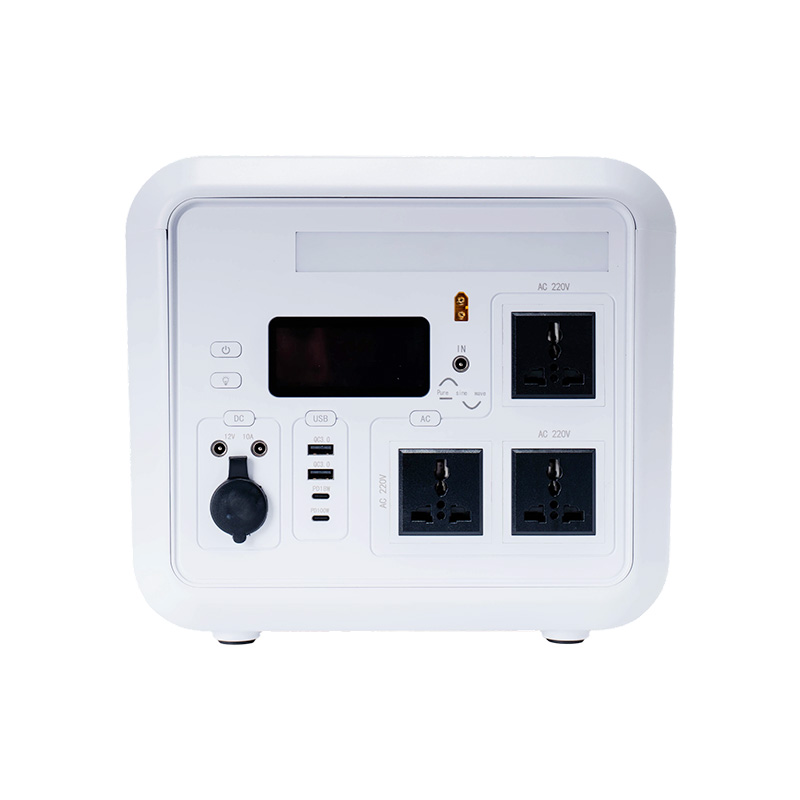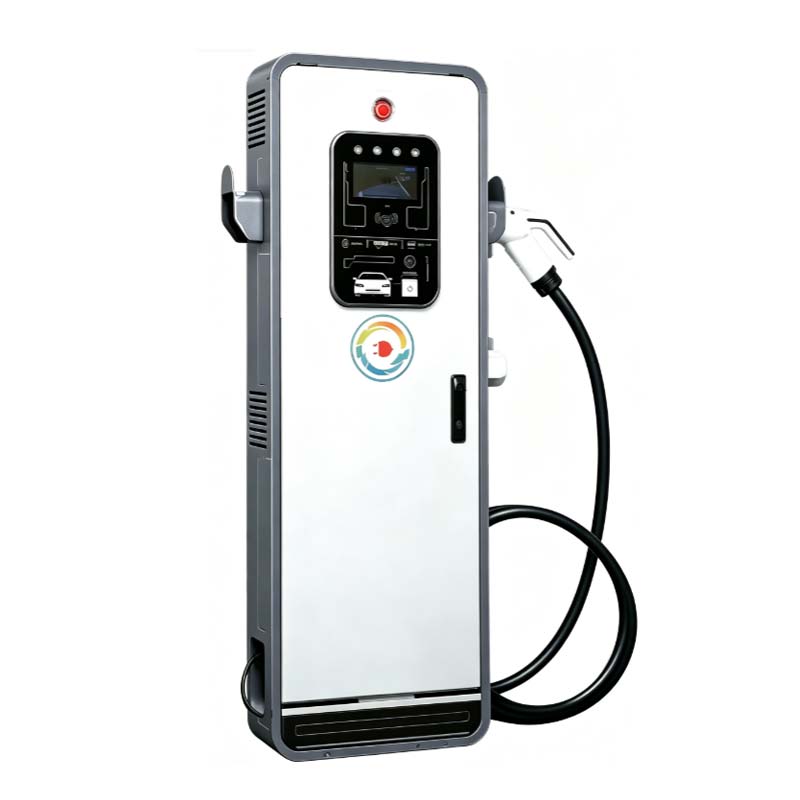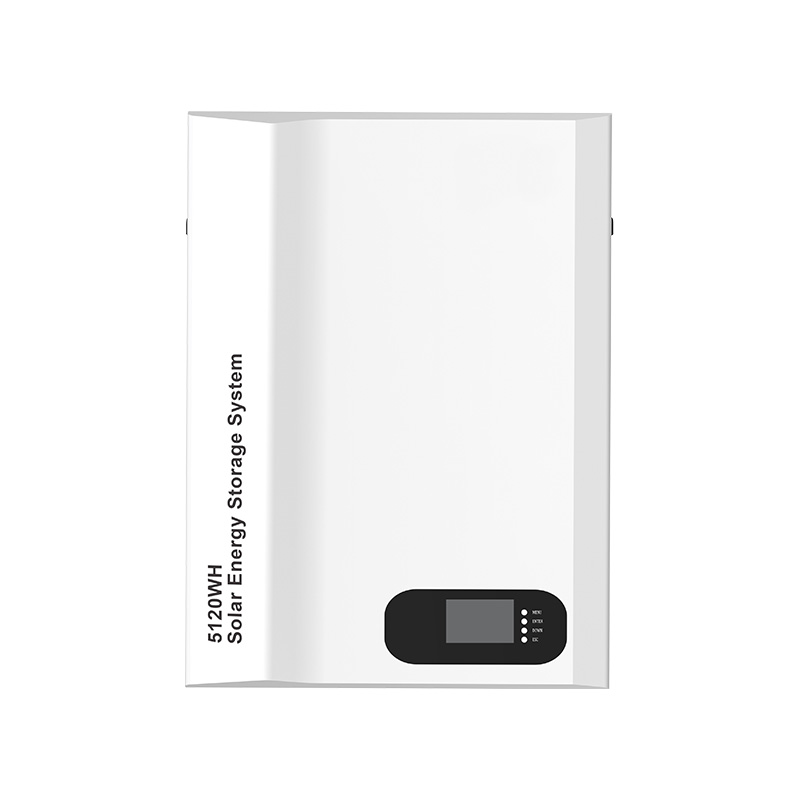

Table of Contents
Introduction
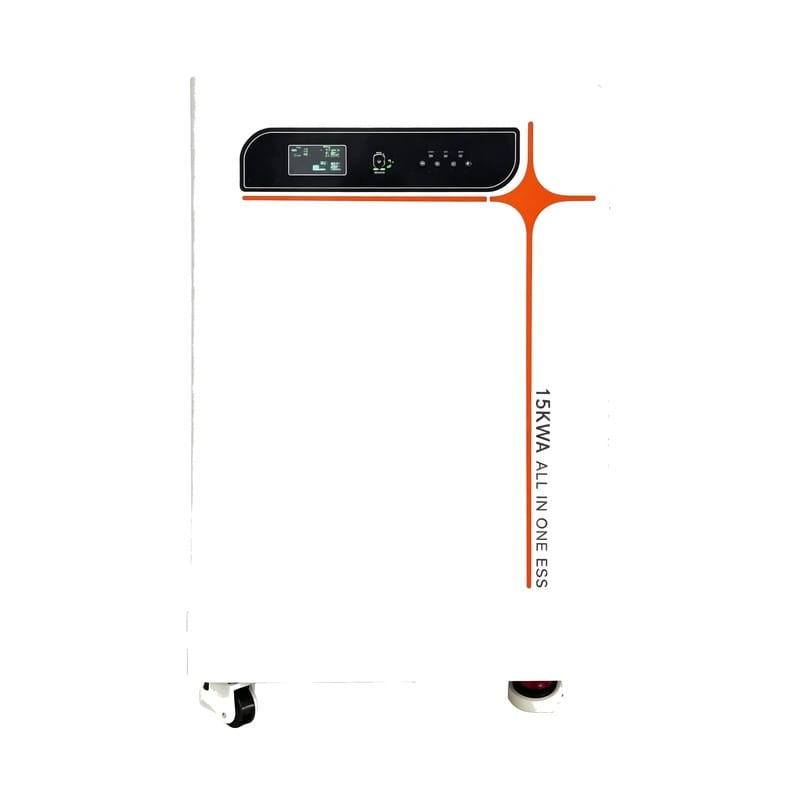
A Battery Energy Storage System is more than a battery connected to an inverter. It is a coordinated energy platform that combines battery cells, battery management, power conversion, system control, electrical protection, thermal design, communication, and monitoring so that stored energy can be charged, held, and released safely under changing operating conditions.
This distinction is important because many storage projects fail to reach their expected performance not because the battery chemistry is unsuitable, but because the complete system has not been engineered as one integrated architecture. A battery may have sufficient nominal capacity while the inverter limits usable power, the BMS may protect the cells correctly while communication with the power-conversion system is incomplete, or a theoretically efficient system may suffer from high temperatures because the enclosure and cooling design were not matched to sustained operation.
For project buyers, system integrators, distributors, and OEM/ODM customers, the right question is therefore not simply how much energy a Battery Energy Storage System can store. A better evaluation asks how the battery, BMS, inverter or PCS, energy-management logic, protection devices, thermal system, and connected loads work together during normal operation, changing demand, backup events, and abnormal conditions.
This article focuses on that system-level perspective. Rather than repeating basic battery-sizing or Hybrid Inverter selection topics, it explains how the major subsystems of a Battery Energy Storage System interact and what should be verified before a storage project moves from component selection to long-term operation.
What Is a Battery Energy Storage System?
A Battery Energy Storage System, commonly abbreviated as BESS, stores electrical energy in rechargeable batteries and releases it later according to the requirements of the connected electrical system.
The broader concept of energy storage includes mechanical, thermal, chemical, and electrochemical technologies. A battery-based system uses electrochemical storage combined with electronic control because batteries alone cannot manage the complete energy path safely or intelligently.
A practical BESS normally contains battery modules or packs, a Battery Management System, power-conversion equipment, electrical distribution and protection, communication interfaces, monitoring, and some form of higher-level control.
Depending on the product architecture, these subsystems may be separated across several enclosures or integrated into an all-in-one platform.
TWJ Smart’s energy storage all-in-one system combines LiFePO4 storage, an integrated inverter, MPPT photovoltaic charging, BMS communication, and protection functions within one platform. Its current product information also lists RS485, CAN, and USB communication interfaces together with multiple battery capacities, illustrating how a modern BESS integrates storage and control rather than treating the battery as an independent component.
A BESS Has Three Core Layers: Energy, Power and Control
A useful way to understand a Battery Energy Storage System is to separate it into three functional layers.
The first is the energy layer. This includes the battery cells and modules that physically store electrical energy. Battery chemistry, capacity, state of charge, operating temperature, and cell consistency all influence how much usable energy is available.
The second is the power layer. This includes the inverter or power conversion system that controls how energy moves between the battery and the AC or DC electrical system. It determines how much power can be delivered or absorbed at a given moment.
The third is the control layer. The BMS, energy-management software, communication system, protection logic, and monitoring functions decide how the energy and power layers should operate.
These layers cannot be evaluated separately.
A large battery connected to a low-power inverter stores substantial energy but cannot release it quickly. A powerful inverter connected to a battery with restrictive discharge-current limits cannot use its full output. A technically capable battery and inverter may still behave poorly if the communication and control strategy between them is incomplete.
Good BESS design begins by matching all three layers.
Capacity and Power Should Never Be Treated as the Same Specification
One of the most common mistakes in storage planning is treating kilowatt-hours and kilowatts as interchangeable.
Battery capacity is measured in kilowatt-hours and represents the amount of energy that can be stored. System power is measured in kilowatts and describes how quickly energy can be delivered or absorbed.
A Battery Energy Storage System may therefore have substantial storage capacity while supporting only moderate output power. Another system may deliver high power but contain relatively little stored energy.
Both configurations can be technically correct depending on the application.
A backup application may require enough capacity to operate essential loads for several hours. A system designed for short-duration high-power support may prioritize inverter output and battery discharge capability instead.
The battery also needs to support the current associated with the selected power level. If the inverter requests more discharge current than the battery or BMS permits, actual output will be lower than the inverter’s nominal rating.
System sizing should therefore consider required power and required runtime separately before combining them into one architecture.
The Battery Management System Protects More Than the Cells
The BMS is often described as the component that protects a battery from overcharge and over-discharge. That is correct, but incomplete.
In a modern Battery Energy Storage System, the BMS also acts as an information source for the rest of the platform.
It can monitor individual cell voltage, pack voltage, current, temperature, state of charge, fault conditions, and cell imbalance. It may then communicate allowable charging and discharging limits to the inverter or system controller.
This matters because battery capability changes during operation.
When the battery is cold, hot, nearly full, nearly discharged, or experiencing an abnormal condition, the acceptable charging or discharge current may be different from normal.
A BESS that receives this information can adjust its behavior dynamically rather than relying only on a fixed voltage threshold.
This is particularly important with lithium battery systems, where accurate control benefits from communication between the BMS and power-conversion equipment.
The BMS should therefore be viewed as part of the system-control architecture rather than as a standalone safety board hidden inside the battery enclosure.
Cell Consistency Influences Usable System Capacity
Battery capacity is usually presented as one pack-level number, but a battery pack contains many individual cells working together.
Those cells are not perfectly identical.
Small variations in capacity, internal resistance, self-discharge behavior, and temperature response can become more noticeable after repeated cycling.
In a series-connected battery string, the usable range can be limited by the cell that reaches its upper or lower voltage boundary first. This means one weak or poorly balanced cell can influence the usable energy of an entire module.
Cell consistency is therefore important not only during initial manufacturing but throughout system operation.
The BMS can help through monitoring and balancing, but good cell matching and assembly quality remain important foundations.
For BESS buyers, this is one reason pack-level capacity alone does not describe long-term quality. Cell sourcing, sorting, BMS design, module construction, thermal consistency, and manufacturing control all contribute to real usable energy over time.
Power Conversion Defines How Stored Energy Reaches the Load
The battery stores DC energy, but many connected loads operate on AC power. A Battery Energy Storage System therefore needs power-conversion equipment to manage energy flow.
In many integrated storage systems, an inverter performs this task. Larger or more specialized systems may refer to the bidirectional converter as a Power Conversion System, or PCS.
The function is conceptually similar: stored DC energy is converted into controlled AC output during discharge, while electrical energy is converted appropriately to charge the battery.
The power-conversion stage determines continuous output, peak capability, voltage regulation, waveform quality, conversion efficiency, and transfer behavior.
It also influences how the system reacts when power demand changes quickly.
A BESS with excellent battery cells can still provide poor load performance if its power-conversion stage is undersized or unstable.
This is why battery capacity and inverter or PCS power should be specified as a coordinated pair rather than selected independently.
BESS Communication Creates a Coordinated System
Communication is what allows separate storage components to behave like one system.
The BMS needs to communicate battery condition to the inverter. The inverter may communicate operating information to an energy-management controller. Monitoring software may collect data from both. External meters or photovoltaic equipment may contribute additional information depending on the architecture.
Protocols such as CAN and RS485 are commonly used for this type of device-to-device communication.
TWJ’s integrated storage platform currently supports RS485 and CAN communication for BMS connection, reflecting the importance of digital coordination between the battery and inverter layers.
Communication quality affects both performance and diagnostics.
If the inverter knows the battery’s actual state of charge and permitted current, it can make better charging and discharge decisions. If the system records temperature, current, voltage, and fault events, technicians can investigate abnormal behavior more efficiently.
A Battery Energy Storage System without reliable communication may still store energy, but it has less information available for intelligent operation.
Why Energy Management Is Different From Battery Management
The BMS and energy-management system are related but perform different roles.
The BMS focuses primarily on battery health, operating limits, cell conditions, and pack protection.
The energy-management layer looks at the wider system.
It may consider photovoltaic generation, load demand, battery state of charge, backup reserve, charging priorities, and other available power sources before deciding where energy should flow.
For example, the BMS may report that the battery can safely discharge at a certain current. The energy-management system then decides whether it should actually discharge at that moment.
That distinction is important.
Safe operation and optimal operation are not the same thing.
A battery may be technically able to discharge, but the control strategy may preserve its stored energy for later backup. Likewise, it may be capable of charging, but the system may delay charging according to available photovoltaic generation or another defined priority.
A mature Battery Energy Storage System needs both battery-level protection and system-level decision-making.
Thermal Management Influences Performance and Aging
Battery systems produce heat during charging and discharging because cells, busbars, electrical connections, power electronics, and internal conductors all have electrical resistance.
Temperature also affects the battery itself.
Excessive heat can accelerate degradation, while very low temperatures can reduce available power and alter charging behavior. Uneven temperature across a battery pack can also cause cells to age differently.
Thermal design therefore has two goals: keeping the system inside an appropriate operating range and reducing temperature differences between cells or modules.
This may involve enclosure ventilation, passive thermal design, forced-air cooling, temperature sensors, heat spreaders, or other methods depending on the scale and architecture of the system.
The power-conversion equipment also needs thermal consideration because inverter losses create additional heat.
For an integrated Battery Energy Storage System, battery and inverter heat should therefore be considered together rather than independently.
A compact enclosure is useful only if it still provides sufficient thermal margin during sustained charge and discharge.
Electrical Protection Should Operate in Layers

A BESS handles significant stored electrical energy, so protection cannot rely on one device or one software decision.
Different layers of the system address different abnormal conditions.
Battery-level protection monitors cell voltage, pack voltage, current, and temperature. Fuses or circuit protection can interrupt excessive fault current. The inverter or PCS manages abnormal output and conversion conditions. System-level devices may provide isolation, overcurrent protection, disconnect functions, and other safeguards.
The most important design principle is coordination.
If the BMS identifies a condition that requires charging to stop, the power-conversion system should respond appropriately. If a severe fault requires electrical isolation, the hardware needs a defined path to disconnect the affected section.
Software warnings should not be used as substitutes for appropriate electrical protection.
For project buyers, a long list of protection features is less useful than understanding which subsystem detects each condition, what action follows, and whether the overall response is coordinated.
Battery Energy Storage System Components at a Glance
The major BESS subsystems influence one another, which is why component-by-component procurement can create integration problems if system requirements are not defined first.
| BESS Component | Main Function | Key Integration Question |
|---|---|---|
| Battery cells and modules | Store electrical energy | Is usable capacity suitable for the application? |
| BMS | Monitors and protects the battery | Can it communicate operating limits correctly? |
| Inverter or PCS | Converts and controls power flow | Does its power match battery capability and load demand? |
| Energy-management logic | Decides when energy should move | Does the strategy match backup and operating priorities? |
| Thermal system | Controls operating temperature | Can it manage sustained charge and discharge heat? |
| Electrical protection | Responds to faults | Are protection layers coordinated? |
| Communication network | Connects system components | Are protocols and data structures compatible? |
| Monitoring system | Records status and performance | Can abnormal trends be identified clearly? |
| Enclosure | Protects and integrates hardware | Does it support cooling, wiring, and service access? |
| External interfaces | Connect PV, loads, or other sources | Are voltage, current, and control requirements compatible? |
The table shows why a Battery Energy Storage System cannot be evaluated by battery capacity alone. The usable performance of the final system depends on how every layer supports the others.
Depth of Discharge Is a System-Control Decision
Depth of discharge indicates how much of the battery’s stored capacity is allowed to be used before discharge stops.
A larger usable depth provides more energy from the same nominal battery, but the optimal setting depends on battery chemistry, manufacturer limits, cycle requirements, and operating strategy.
TWJ’s current integrated energy storage product specifies a discharge depth of up to 95% for its LiFePO4 battery configuration. This provides an example of how system design determines the relationship between nominal and usable capacity.
However, the maximum permitted depth does not necessarily need to be used during every cycle.
A system designed for backup may intentionally preserve a reserve. Another system focused on daily solar energy shifting may use a larger percentage of available capacity.
The BESS control strategy should therefore distinguish between technically usable capacity and strategically available capacity.
This provides more flexibility than treating the battery as either completely full or completely empty.
Backup Power Depends on Energy and Power Together
Backup performance is frequently discussed in terms of battery capacity, but capacity alone does not determine which loads can operate.
The inverter must provide sufficient power for the loads connected during backup.
A battery may contain enough energy to run a system for several hours, but the system can still shut down if several loads demand more instantaneous power than the inverter can deliver.
Startup current deserves particular attention because motors, pumps, compressors, and similar equipment can require a temporary surge above their normal operating power.
Backup design should therefore identify essential loads, continuous power demand, expected peak demand, and required support duration.
The transfer from the normal supply to stored energy also needs to match the sensitivity of connected equipment.
TWJ’s current all-in-one energy storage product specifies a switching time of approximately 10 ms, illustrating why transfer behavior is part of complete system performance rather than just battery performance.
Solar Integration Changes How the BESS Operates
When photovoltaic generation is connected to a Battery Energy Storage System, the storage system becomes part of a dynamic energy-flow network.
During periods of strong generation, photovoltaic power can supply loads directly while excess energy charges the battery. Later, stored energy can support loads when solar production falls.
The control system needs to decide how these energy paths are prioritized.
A photovoltaic-integrated BESS also requires compatible PV input voltage, MPPT characteristics, charging limits, and battery capacity.
If the battery is too small relative to frequent surplus generation, it may become fully charged early and be unable to absorb additional energy. If it is unnecessarily large relative to available PV production, much of the capacity may remain unused.
This is why solar array size, typical daytime load, evening energy demand, and battery capacity should be analyzed together.
TWJ’s integrated storage platform combines PV input, MPPT charging, LiFePO4 batteries, inverter output, and BMS communication in one architecture, providing a practical example of this system-level integration.
System Efficiency Should Be Evaluated Across the Whole Energy Path
Battery efficiency alone does not describe complete BESS efficiency.
Energy may pass through several conversion stages before reaching the load. Photovoltaic power may be converted for battery charging, stored electrochemically, and later converted again into AC output.
Each stage introduces some loss.
The inverter has conversion losses, battery cells have charge and discharge losses, wiring creates resistive loss, and auxiliary devices consume energy for communication, control, displays, cooling, and standby operation.
For this reason, the most useful efficiency analysis looks at the complete energy path rather than one component’s peak efficiency.
Partial-load operation matters too.
A storage system may spend significant time supporting relatively small loads, so efficiency at moderate or low power can influence total performance over long periods.
TWJ lists an overall conversion efficiency of at least 98% for its current all-in-one inverter-battery product under its specified conditions, but real system efficiency still depends on the actual operating path, load level, and charge-discharge behavior.
Why Monitoring Should Focus on Trends, Not Just Live Data
Real-time monitoring is useful, but historical trends often provide greater diagnostic value.
A Battery Energy Storage System generates operating information that can reveal gradual changes before a serious fault occurs.
If one battery module consistently runs warmer than others, thermal balance may need investigation. If usable capacity appears to decline faster than expected, battery condition or operating strategy may deserve review. If charging regularly stops before the expected state of charge, communication limits or protection events may be involved.
Trend data helps distinguish a one-time event from a recurring pattern.
Useful information can include state of charge, battery voltage, module temperature, charging power, discharge power, inverter temperature, fault history, and operating mode.
For OEM products, diagnostic data can also help manufacturers improve later hardware or firmware revisions by identifying recurring field behavior.
Monitoring should therefore be designed as an engineering tool, not simply as a visual dashboard.
Modular BESS Architecture Can Improve Expandability
Energy requirements can change over time.
A modular Battery Energy Storage System provides a potential path for expansion by allowing storage capacity, and sometimes power capacity, to increase through additional compatible modules.
This can be useful where the original installation needs to support current demand while preserving room for future growth.
However, modularity has technical limits.
Additional battery modules need compatible voltage, communication, BMS coordination, current-sharing behavior, wiring, and protection. Increasing storage capacity does not automatically increase inverter power.
Likewise, increasing inverter power may require additional battery discharge capability and electrical infrastructure.
Expansion should therefore be designed into the system architecture rather than assumed simply because physical modules can be connected.
A well-planned modular system defines how additional capacity will be recognized, balanced, protected, and controlled.
Commissioning Should Validate the Complete Energy Path
A Battery Energy Storage System should not be considered fully commissioned because the battery charges and the inverter produces output.
Commissioning needs to verify how the complete system behaves.
The process should confirm battery communication, charging limits, discharge behavior, state-of-charge reporting, inverter output, protection responses, photovoltaic integration where applicable, backup transitions, and monitoring.
Thermal behavior should also be observed under meaningful load.
A system that performs correctly at low power may reveal temperature or connection issues only after extended charging or discharge.
Commissioning also establishes a baseline.
Normal operating temperature, state-of-charge behavior, power flow, charging rate, and system response can later be compared with field data if performance changes.
This makes commissioning the beginning of lifecycle monitoring rather than simply the final installation step.
Common Battery Energy Storage System Integration Mistakes
One common mistake is selecting the battery and inverter independently.
Matching only voltage is insufficient because battery current capability, BMS communication, charge limits, discharge limits, and inverter power also need to align.
Another mistake is sizing the battery from daily energy consumption without examining the actual load profile. The same daily consumption can produce very different system requirements depending on whether loads are spread evenly or concentrated into short high-power periods.
Thermal design is also sometimes underestimated. Battery and power electronics may operate correctly during short tests but reach different temperatures after prolonged use.
Communication is another frequent source of integration problems. A battery and inverter may both support a common physical interface while using incompatible communication protocols or data structures.
Finally, projects sometimes focus on installation while paying insufficient attention to long-term maintenance, diagnostics, or future expansion.
A BESS is a long-term operating system, so commissioning, serviceability, and monitoring deserve consideration during the original design.
What OEM and ODM Buyers Should Define Before Development
A custom Battery Energy Storage System project should begin with a complete architecture rather than an enclosure concept.
The specification should define usable storage capacity, required continuous power, peak power, battery chemistry, voltage platform, charge and discharge current, BMS functions, inverter or PCS requirements, communication protocols, energy-management priorities, backup behavior, photovoltaic integration, thermal conditions, enclosure format, and expansion expectations.
Software requirements should be developed alongside the hardware.
State-of-charge reserve, charging priority, battery protection response, external power behavior, fault recovery, communication loss, and monitoring all need defined rules.
TWJ positions its broader manufacturing platform around independent R&D, PCB design, embedded development, SMT assembly, testing, and final product assembly, which is relevant to BESS projects where electronics, firmware, battery integration, and manufacturing quality need to be coordinated.
For OEM buyers, the goal should not be to customize as many visible elements as possible. It should be to create a system whose battery, electronics, software, thermal design, and production process all support the same operating requirements.
How to Evaluate a BESS After It Enters Operation

A storage system should be judged by repeated operating behavior rather than by one successful charge-discharge cycle.
State-of-charge accuracy is one useful indicator. If displayed state of charge does not correspond with expected runtime or charging behavior, calibration or battery estimation may need review.
Temperature consistency is another important metric. Persistent differences between modules can reveal airflow, cell, connection, or load-sharing issues.
Energy throughput can help evaluate how much useful work the battery is performing over time.
Repeated fault events should also be analyzed by pattern rather than cleared and ignored.
If the same warning appears under similar load or temperature conditions, the event may provide useful information about system limits.
Backup tests should be repeated periodically where backup capability is important because a system that transferred correctly during initial installation may behave differently after configuration or load changes.
Long-term reliability comes from combining sound design with continued observation.
Conclusion
A Battery Energy Storage System should be evaluated as an integrated energy platform rather than as a large battery pack.
Battery capacity determines how much energy can be stored, but inverter or PCS power determines how quickly that energy can move. The BMS protects and monitors the battery, while higher-level control decides when stored energy should actually be used. Communication connects those functions, and thermal design, electrical protection, monitoring, and commissioning determine whether the complete system can operate consistently.
This system-level approach also explains why similar battery capacities can produce very different real-world results. Usable energy, discharge power, backup capability, thermal stability, communication quality, system efficiency, and serviceability all depend on the surrounding architecture.
For project buyers, installers, and OEM/ODM developers, the strongest strategy is to define the intended energy flow first and then design the battery, inverter, BMS, communication, protection, and control around that objective.
When those elements are properly coordinated, a Battery Energy Storage System becomes more than stored electricity. It becomes a controllable energy resource capable of supporting photovoltaic utilization, backup operation, load management, and long-term energy flexibility.
FAQ
What is a Battery Energy Storage System?
A Battery Energy Storage System stores electrical energy in rechargeable batteries and releases it when needed. A complete BESS also includes battery management, power conversion, protection, communication, monitoring, and control functions that coordinate charging and discharging safely.
What is the difference between BESS capacity and power?
Capacity, measured in kWh, describes how much energy the system can store. Power, measured in kW, describes how quickly that energy can be delivered or absorbed. A well-designed BESS must provide both sufficient runtime and enough output for connected loads.
Why does a Battery Energy Storage System need a BMS?
The BMS monitors cell voltage, temperature, current, state of charge, and fault conditions while protecting the battery from operating outside defined limits. It can also communicate charging and discharge limits to the inverter for more coordinated system control.
Can a Battery Energy Storage System work with solar power?
Yes. A BESS can store excess photovoltaic energy and release it when solar generation is lower than load demand. Effective integration requires compatible PV input, inverter or PCS capability, MPPT control, battery capacity, BMS communication, and energy-management logic.
What should buyers check before selecting a Battery Energy Storage System?
Buyers should evaluate usable capacity, output power, battery chemistry, BMS, inverter compatibility, communication, thermal management, protection, backup requirements, system efficiency, monitoring, expansion capability, and the manufacturer’s testing and integration process.
Need Help Choosing the Right Battery Energy Storage System?
If you’re unsure which Battery Energy Storage System architecture is best suited for your photovoltaic storage application, backup system, integrated energy product, or OEM/ODM project, our team can help evaluate battery capacity, inverter power, BMS communication, thermal design, system control, and expansion requirements.
Contact our Battery Energy Storage System specialists to discuss your application requirements and develop an energy storage solution that matches your load profile, power architecture, and long-term operating goals.